

When we talk about web design in Palafrugell with a local business, the first thing we make clear is that Palafrugell isn't one village, it's several: the inland town, where people live and work all year, and its coves, which is what half the world comes for in summer. And each one has its own name in the head of whoever is looking for you.
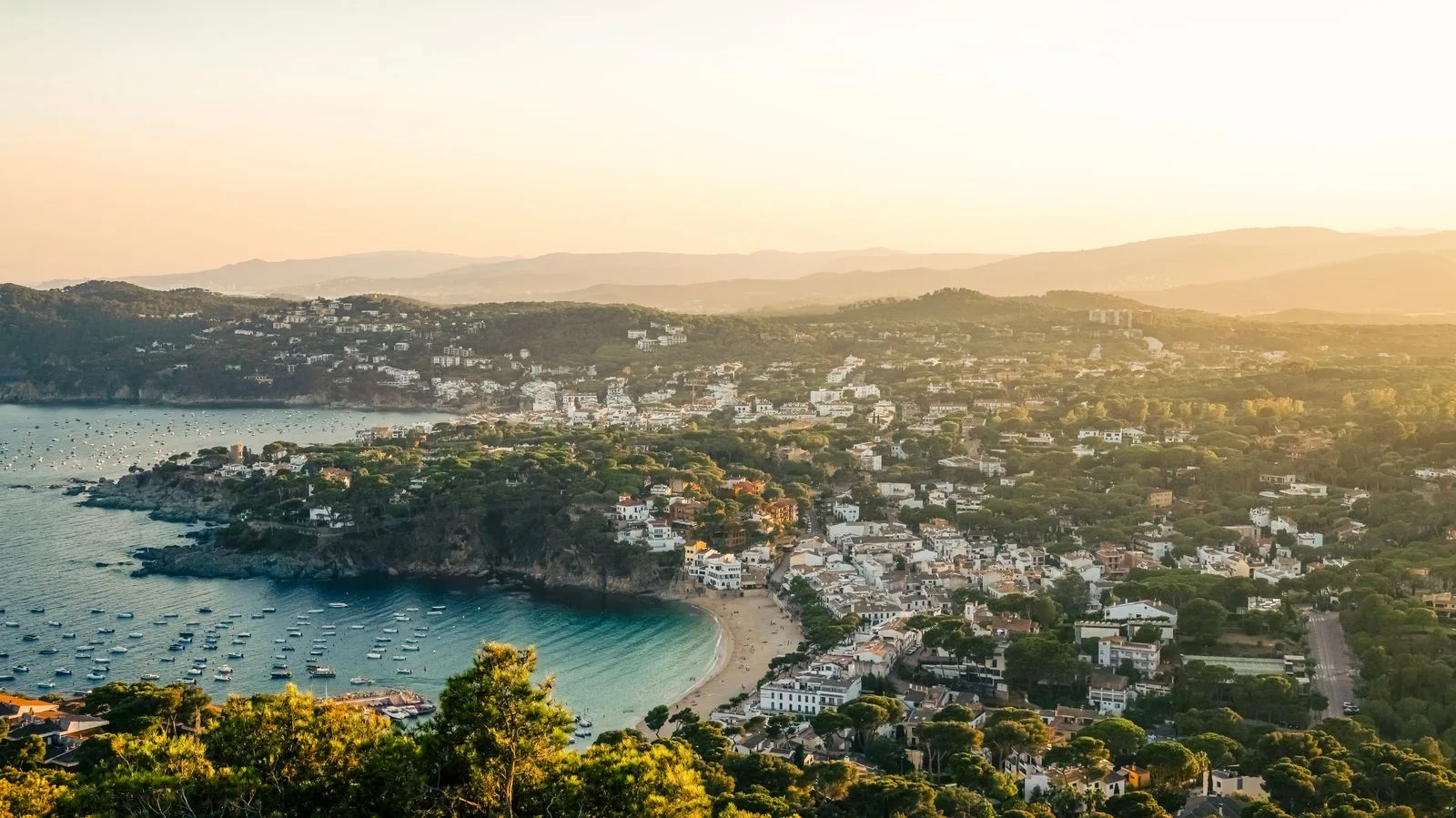
Palafrugell isn't one village, it's several
The municipality brings together four places people experience as different: the inland town of Palafrugell, and the three postcard coves, Calella de Palafrugell, Llafranc and Tamariu. According to Idescat, 24,245 people live here in 26.88 km², one in four from outside Spain, and in season it rises by more than a quarter (the seasonal population adds 6,575), not counting the 1,466 hotel beds and over 3,000 campsite pitches that fill up. What moves all those people are the names of the coves, not the name of the town hall, as the Palafrugell tourism office knows well.
And each cove has its own crowd: Calella, with its white houses and boats on the water; Llafranc, more about the promenade and the sunset; Tamariu, small and family-friendly. Whoever looks for one isn't looking for the other, and your site has to be clear on that from the first screen.
Your customer searches by the name of the cove, not the municipality
This is the difference that changes everything. Nobody types «restaurant in Palafrugell»: they type «where to eat in Calella de Palafrugell», «hotel in Llafranc» or «apartment in Tamariu». If your business is «in Palafrugell» full stop and the site doesn't name the cove you're actually in, you fall out of the search that matters.
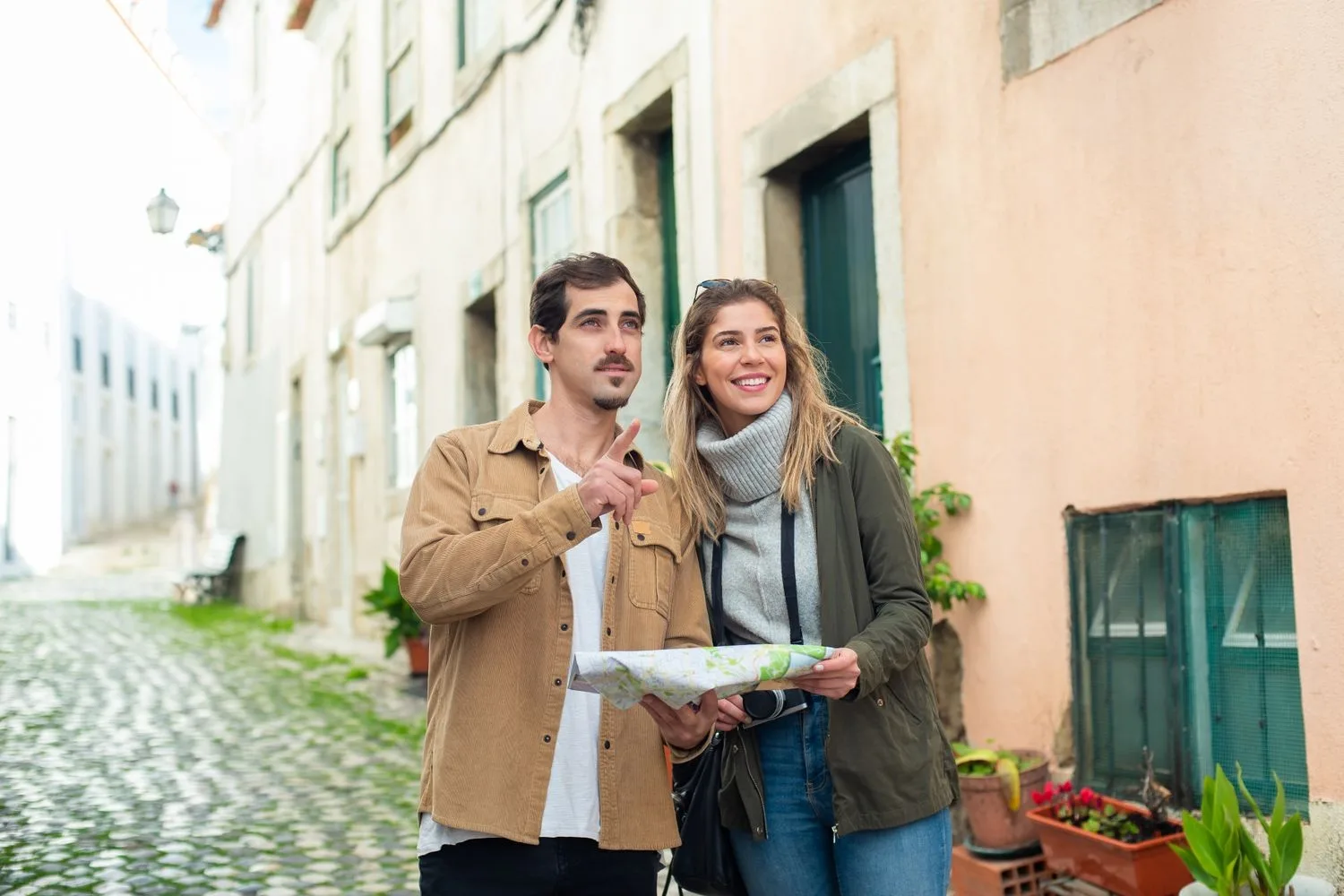
Show up for every name people search for
The fix isn't to repeat «Palafrugell» a hundred times, it's for the site to say clearly which cove you're in and which ones you serve. Often that means a section or a page per area, done well, rather than a single generic page that ranks for none. How to split that without making a mess is what the structure of a website is about.
And it's not enough to write the name and leave it: you have to tell it the way the customer lives it, with real photos of that cove and what you offer right there. Google and the reader spot the difference straight away between a site that knows the area and a template with the name stuck on top.
And in several languages, because your customer is from elsewhere
With one in four people from outside Spain and a summer full of French, German and English visitors, a site only in Spanish leaves money on the table. You don't have to translate everything into ten languages, but you do the main part, done well. We cover it in a website in Catalan and Spanish, and the idea works just the same for English or French.
Web design in Palafrugell for the summer and for the rest of the year
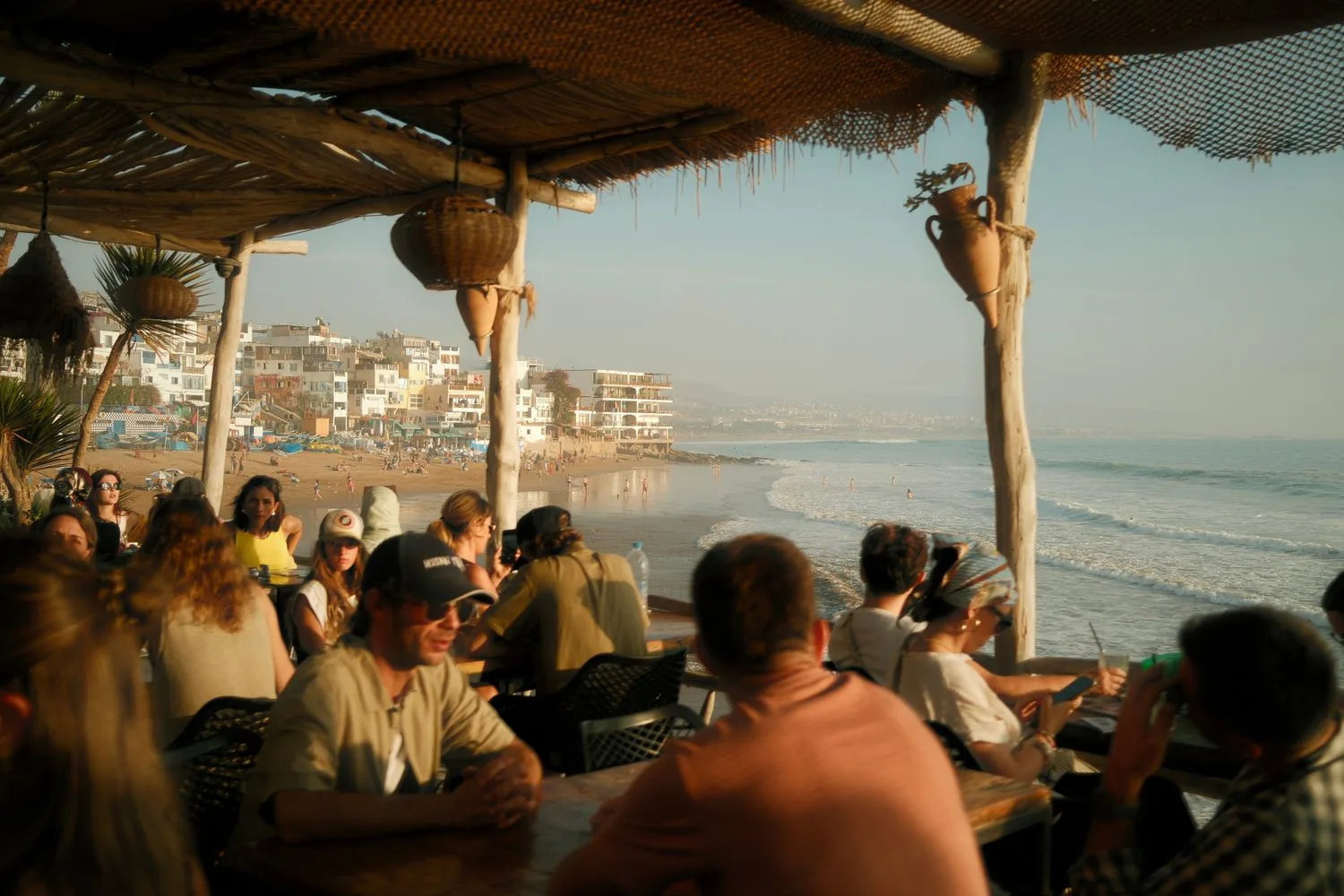
It would be a mistake to build the site thinking only about August. Palafrugell is a real town twelve months a year, with a history of work behind it: the cork industry ran things here for decades, as the Museu del Suro tells, and the shops and trades carry on out of season. The site has to serve the July tourist looking for a terrace in Llafranc just as well as the February local checking your opening hours, so it's built for both sets of customers, not just for the beach photo.
That double life, the seasonal one and the everyday one, is exactly what makes a well-thought-out site pay off so well in a place like Palafrugell: the same site works for you in both.
The customer decides on the phone, before and during the trip
A good share of your customers book from home, hundreds of kilometres away, and another good share decide right here, walking along the cove with the phone in hand. In both cases the site is the first thing they see, and it has to load fast, make sense on the phone right away and say just enough. And the hours, the phone and how to get there have to match on the site and on your Google Business profile, because in a seasonal place an out-of-date detail is a customer in front of a closed shutter.
There's a very local detail: a lot of people move between the coves along the coastal path, on foot, and decide on the spot where to stop to eat or sleep. They make that decision on the phone, right by the cove, and it goes to whoever shows up first and makes it easy.
Get found and get recommended by AI
The underlying work is making you appear when someone searches for what you do in your cove and across the Baix Empordà. And there's a new reader that counts more each day: when someone asks ChatGPT or Gemini for «a good place to have dinner in Calella de Palafrugell», AI recommends the one that explains itself clearly and has its details in order. That's what getting AI to recommend you is about, and it starts with a site that says plainly what you do and in which village.
How much web design in Palafrugell costs
We say it plainly, which hardly anyone does, and it's published on pricing.
- Tu Landing: 100 € a month. One well-built page, for the business that lives off one thing and needs to convince on a single screen.
- Tu Web: 200 € a month. Up to ten pages and one article a month, what a restaurant with a menu, a hotel that wants to tell its coves or a shop with several sections needs.
Both include domain, hosting, email and maintenance, with the domain in your name. If you also want someone running the seasonal campaigns and the tracking, the full plans are 400, 750 and 1,500 € a month. All plus VAT and with no lock-in. For what fits in each size of site, see how much a website costs.
Want to know what it would cost you?
We reply the same day. No commitment, no sales pitch.
How we do it
We work with businesses in Girona and across the Costa Brava, and the Baix Empordà is right next to us. We start from something concrete: which cove you're in, who you sell to and when. A beach bar in Tamariu that lives off summer isn't the same as a shop in the centre of Palafrugell that lives off locals all year; the site is built differently for each. And we build it so you can touch it yourself: changing the seasonal hours or posting the dish of the day shouldn't cost you an email to the agency.
If you want to see how we approach the same service a little further down the coast, web design in Palamós is right here, with a different angle but the same idea: getting found before the business in the next cove.
We'll tell you in a ten-minute conversation
We reply the same day. No commitment, no sales pitch.
Where to start
You don't have to bring anything technical. Just tell us which cove you're in, what you do and where your customers usually come from, and we've got somewhere to start. With that we build a site that brings you customers searching for Calella, Llafranc, Tamariu or Palafrugell, and in the language they search in.
Write to us through the contact form or on WhatsApp and we'll give you a closed price, no speeches and no obligation.