

When a local business asks us for web design in Palamós, the first thing we look at is the calendar. Because Palamós isn't one town, it's two: the one with 18,619 residents that lives off the port and the Baix Empordà all year, and the July-and-August one, when the campsites and hotels fill it up and the streets overflow. A website that only serves one of the two leaves half its customers out.
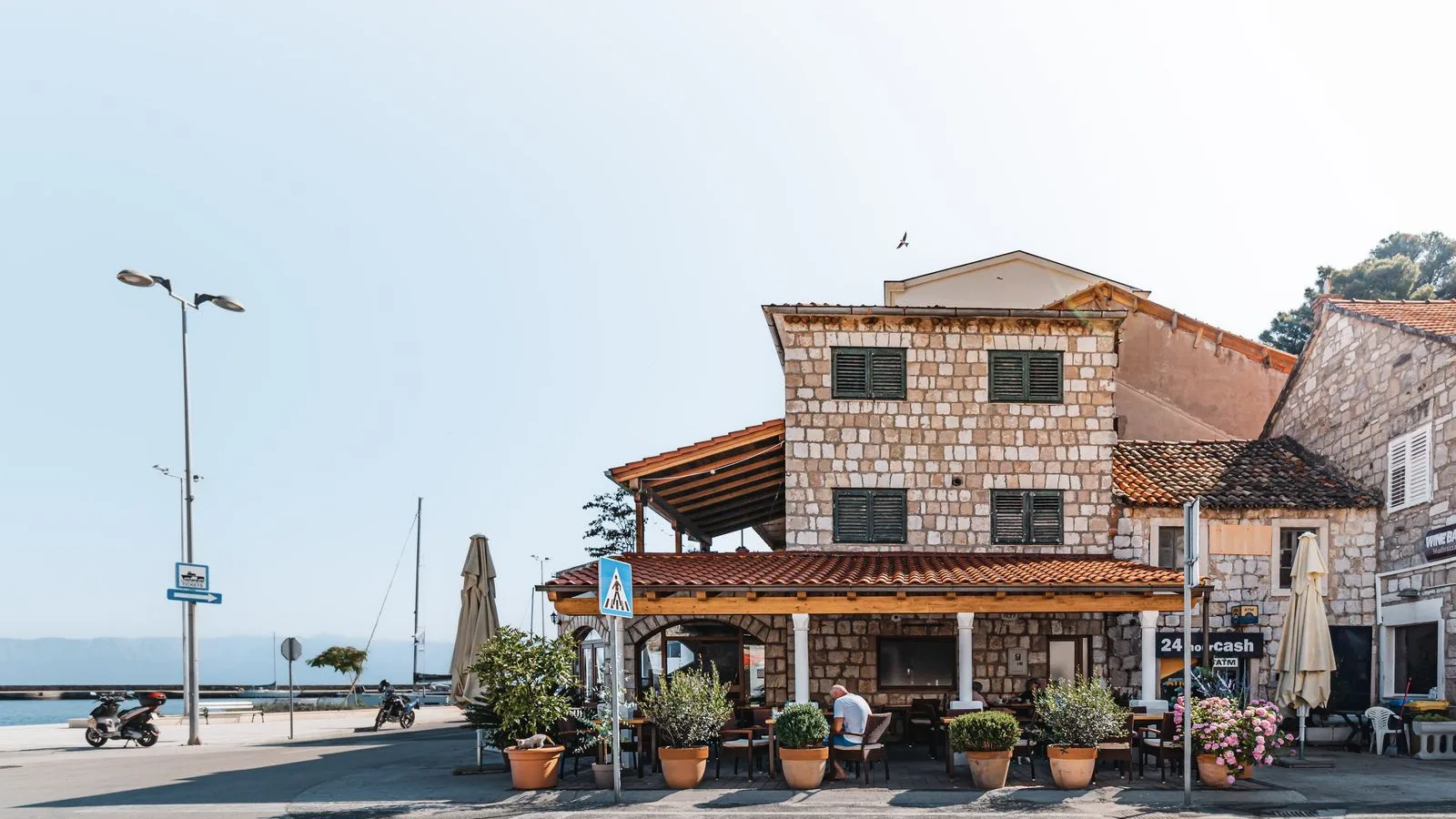
In summer, Palamós multiplies (and it's decided on the phone)
The numbers say it plainly. According to Idescat, Palamós has 18,619 residents in just 13.98 km², but in season the population rises by almost a quarter (the seasonal population adds 4,449), and on top of that come the people who don't count as residents but fill the terraces: 987 hotel beds and over 5,000 campsite pitches. All those people arrive not knowing the town and decide where to eat, where to shop and what to do with their phone in hand, often fifty metres from your door.
What they come looking for —the coves, the coastal path, the port— is already gathered by the official tourism site, Visit Palamós. Your job is a different one: to be there when, once in town, they search for exactly what you offer.
And there the winner isn't the one who's been around forever, it's the one who shows up. If, when someone searches «where to eat in Palamós» or your service in Palamós, your business doesn't appear, you don't just lose that one sale: you're not even on the shortlist they choose from. In a seasonal place those weeks are worth half a year, and they're won or lost on a screen.
But Palamós isn't only July and August
It would be a mistake to build the website thinking only about summer. Palamós is a real town twelve months a year: a working fishing port, its fish market, lifelong local shops and the people from the Baix Empordà villages who come in to buy and to sort things out. Those customers don't leave in September, and they're the ones who pay for the winter.
So the website has to serve the August tourist looking for a terrace just as well as the February local checking your opening hours on a Tuesday afternoon. The same website, done well, does both; the problem is when it's built only for the pretty beach photo and forgets the practical side of the rest of the year.
The tourist is already here: the sale is won on the phone
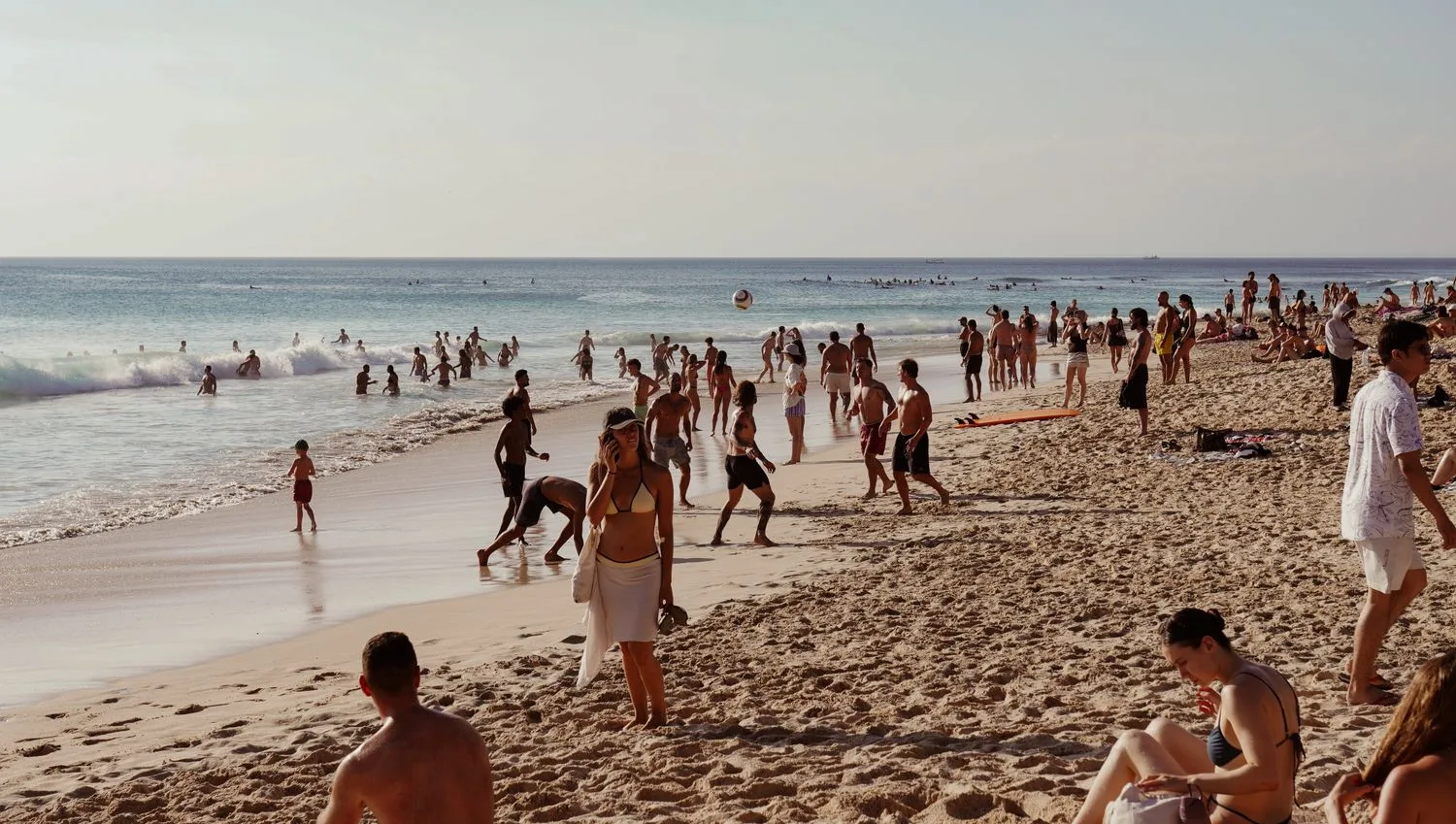
Someone on holiday doesn't plan the way someone booking a trip from home does. They decide on the spot: «where do I have dinner tonight?», «is this open on Sundays?», «is there anything to do nearby with kids?». These are here-and-now searches, made standing up, in the street, a few metres from the place. If you show up and make it easy, they come in; if not, the one next door takes them.
Your Google profile and your website have to say the same thing
Your opening hours, address and phone live in two places: your website and your Google Business profile. In a tourist town, where half the street changes its hours with the season, out-of-date hours mean a customer standing in front of a closed shutter, annoyed, who won't come back and sometimes even leaves you the review. Having the two say the same thing isn't a detail, it's what decides whether the trip ends at your door.
It has to load and make sense on a phone right away
Whoever looks you up in summer is in the street, one-handed, in a hurry and with sun on the screen. If the site is slow to open or you have to zoom in to find the phone number, they leave before seeing what you offer. That's why we build it for the phone first: the important stuff (what you are, where you are, how to get in touch) has to be readable and tappable without fighting the screen.
Sell the reputation of Palamós, not just what you do
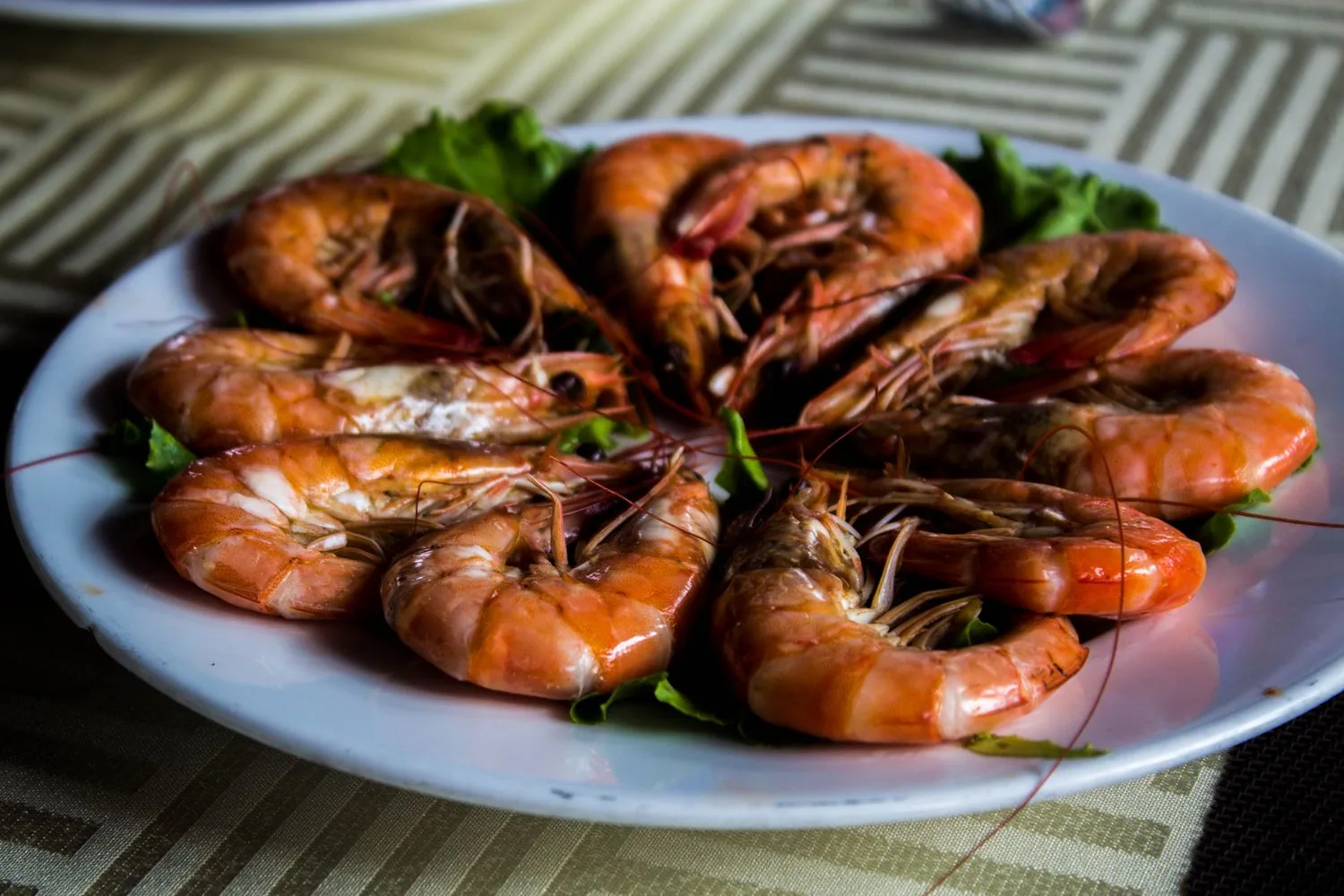
Palamós has something almost no town has: a brand of its own. The Palamós prawn, the port, the fish market, a whole sea culture that the Museu de la Pesca has spent years telling. It's a stamp of authenticity worth money, and the people who live off it know it.
If your business lives off that —a restaurant, a fishmonger, a local-produce shop, a boutique hotel—, your website has to prove you're the real thing and not a tourist trap. And that isn't said with adjectives, it's shown: with real photos of the produce and the place, with where it comes from, with who's behind the counter. That's what a good «About us» page is for, which in a town that sells authenticity is half the sale.
Get found in Palamós and across the Baix Empordà
A pretty website that doesn't show up when it matters is worth little. The real work is making you appear when someone searches for what you do in Palamós, in Sant Antoni, in Calonge or across the rest of the comarca, which is where a good share of your customers come from. And there's a new reader that counts more each day: artificial intelligence. When someone asks ChatGPT or Gemini for «a good place to eat prawns in Palamós» or your service nearby, it recommends whoever explains themselves clearly. That's what getting AI to recommend you is about, and it starts with a website that says, plainly, what you do and where.
Want to know what it would cost you?
We reply the same day. No commitment, no sales pitch.
How much web design in Palamós costs
We say it plainly, which hardly anyone does, and it's published on pricing.
- Tu Landing: 100 € a month. One well-built page, for the business that lives off one thing and needs to convince on a single screen (a beach bar, a place to stay, a specific service).
- Tu Web: 200 € a month. Up to ten pages and one article a month, what a restaurant with a menu, a shop with several sections or a hotel that wants to tell its surroundings needs.
Both include domain, hosting, email and maintenance, with the domain in your name. If you also want someone running the seasonal campaigns and the tracking, the full plans are 400, 750 and 1,500 € a month. All plus VAT and with no lock-in. For what fits in each size of site, see how much a website costs.
How we do your web design in Palamós
Good web design in Palamós isn't built the same for everyone. We work with businesses in Girona and on the Costa Brava, and Palamós is close by. We start from something concrete: who you sell to and when. A restaurant that makes its money in summer isn't the same as a fishmonger that lives off locals all year; the site is built differently for each. And we build it so you can touch it yourself: changing the seasonal hours or posting the dish of the day shouldn't cost you an email to the agency.
If you're from another spot on the coast and want to see how we approach the same service in a similar place, web design in Lloret de Mar is right here, with a different kind of tourism but the same idea: getting found before the business across the street.
We'll tell you in a ten-minute conversation
We reply the same day. No commitment, no sales pitch.
Where to start
You don't have to bring anything technical. Just tell us what you do, who you sell to and how your business changes between season and the rest of the year, and we've got somewhere to start. With that we build a site that brings you customers in August and in February too.
Write to us through the contact form or on WhatsApp and we'll give you a closed price, no speeches and no obligation.