

When we talk about process automation in Santa Coloma de Gramenet, we are not talking about robots or dashboards. We are talking about the calls and messages that come in exactly while you are serving, which are what make the day disappear without any of the planned work getting done.

A city where you serve standing up
Here the work happens at street level, in shops, bars and neighbourhood services. There is also a layer of slightly bigger businesses: 3,750 of the municipality registrations are in workplaces with between ten and forty-nine people, according to the municipality in figures portal at Idescat. And there is one figure worth keeping in mind before recommending anything: household disposable income per head is 16,649 euros, eighty per cent of the Catalan average.
Translated: no project here gets approved because it sounds modern. It gets approved if it saves hours or stops you losing customers, and ideally both.
What an interruption really costs
It is not the minute on the phone. It is that you drop what you were doing, answer, come back and cannot remember where you were. In a business with one or two people behind the counter that happens twenty or thirty times a day, and every time somebody is waiting in front of you.
Want to know what it would cost you?
We reply the same day. No commitment, no sales pitch.
The four interruptions that keep repeating
1. «What time do you close?»
The most repeated question in the history of retail. It answers itself if the opening hours are right on the Google listing, bank holidays included, which is where everybody slips. Google has an option for that, special hours, and the whole year can be loaded in one afternoon. How to get the listing in shape is in the Google Business profile.
2. «Do you have this?»
No magic here: if your stock is not in order, nothing can answer for you. What you can do is keep a list of what people always ask and a saved reply, so you are not typing the same thing ten times a day.
3. The supplier order
It is nearly always the same list with small variations, and nearly always done from memory on a Tuesday afternoon. Saving it and having it go out on its own, with a reminder to check it before sending, is one of the cheapest wins there is.
4. Closing time
Till, notes, photos of what came in. Half an hour done standing up and in a hurry, when nobody thinks clearly. It can turn into three taps on a phone before the shutter comes down.
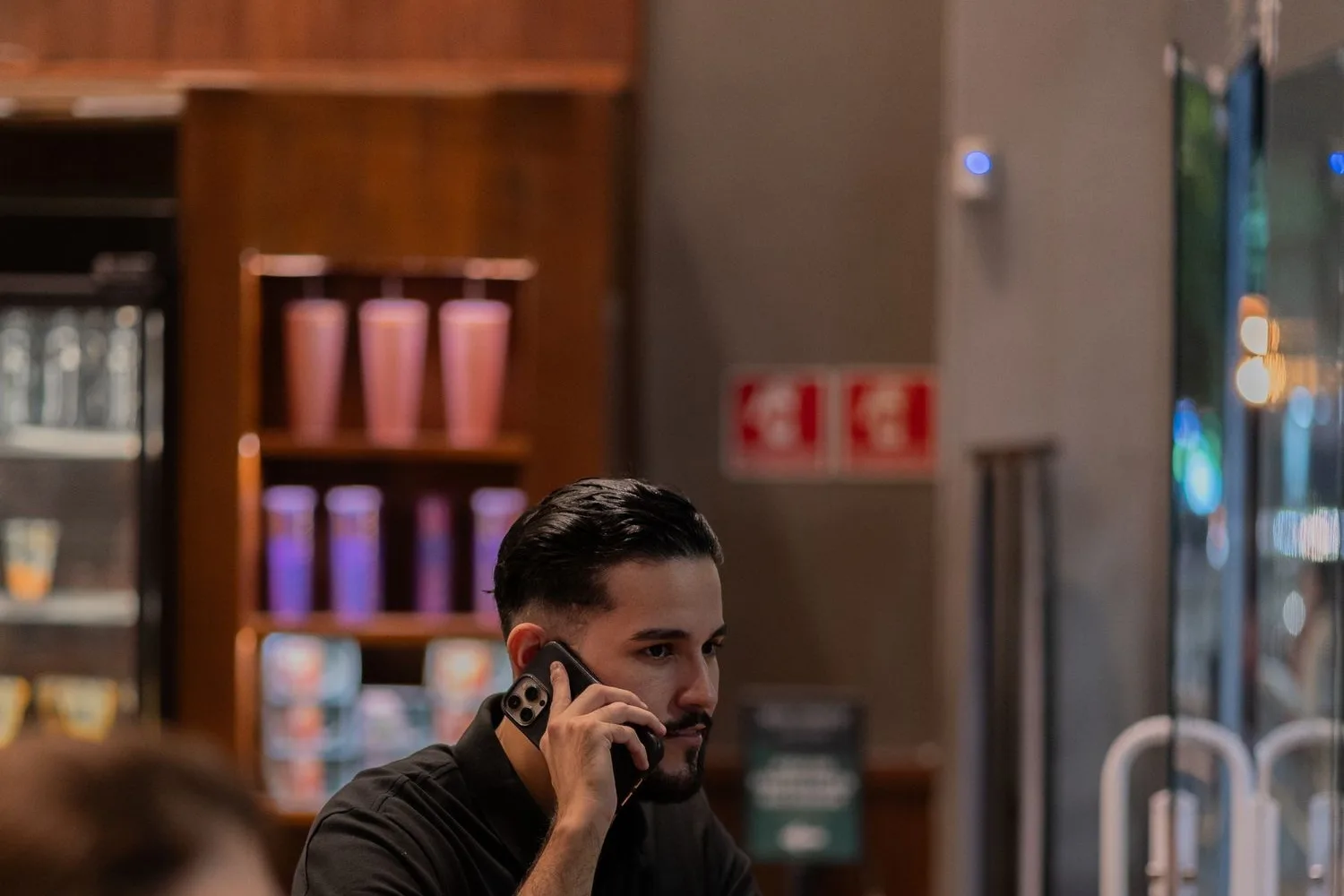
One ordinary day, with the interruptions counted
This is from a shop around here, with the details changed. Opens at half nine. Quarter past ten, first call asking about Saturday hours. Eleven, a «do you have…?» message while ringing somebody up. One o clock, the supplier order, from memory and in a rush. Half five, three messages at once in the afternoon peak. Eight, half an hour of closing up on their feet.
Of those six, two disappear just by fixing the opening hours and saving three replies; a third, the supplier one, is solved with a list that goes out by itself on Tuesday. The other three are still there, and they are what justifies building something. That is the whole decision.
What gets fixed without buying anything
Before quoting anything, this is the first thing we look at, and it often solves half of it: hours and bank holidays set properly, saved replies for the three usual questions, an out-of-hours automatic message saying when you answer, and one single place where messages land. It costs an afternoon and no money.
Why reply speed matters so much is in how fast you reply.
What gets automated with something small
When the free part is done and there is still noise, you build the smallest piece: a screen with the day list, a form that takes orders without a phone call, alerts that go out to the customer when their order is ready. How to choose where to start is the usual method, in process automation: where to start. If that piece ends up being software of your own, that is in custom software in Santa Coloma.
It is designed for one hand, standing up, with noise
That is the difference between it being used and not. Nobody here is going to fill in a fourteen-field form with a queue waiting. Big buttons, three taps at most, and it has to work with the phone in one hand, because the other one is busy. If you have to sit at a computer to use it, it will not get used.
What we do not automate in a people business
The conversation. In a neighbourhood where people come in to buy and to chat, a robot answering personal messages shows and costs you. We automate the alert, the reminder and the paperwork; the reply with somebody name on it is still written by a person. We do not automate a complaint either: that one gets picked up on the phone.
We'll tell you in a ten-minute conversation
We reply the same day. No commitment, no sales pitch.
Messaging: convenient, but tidy
Almost everything comes in through messaging apps, and that brings two familiar problems: orders living on somebody personal phone, and nobody knowing what was promised. Use the business number, keep personal messages apart and write down who answers and when. INCIBE material on instant messaging sums up the risks and the good practice.
How it gets set up without closing for a day
You start with a single interruption, whichever rings most that week. Two weeks of work, one of testing during real opening hours, and everything else carries on. If it works, you move to the next one. You never touch everything at once in a business that cannot stop.
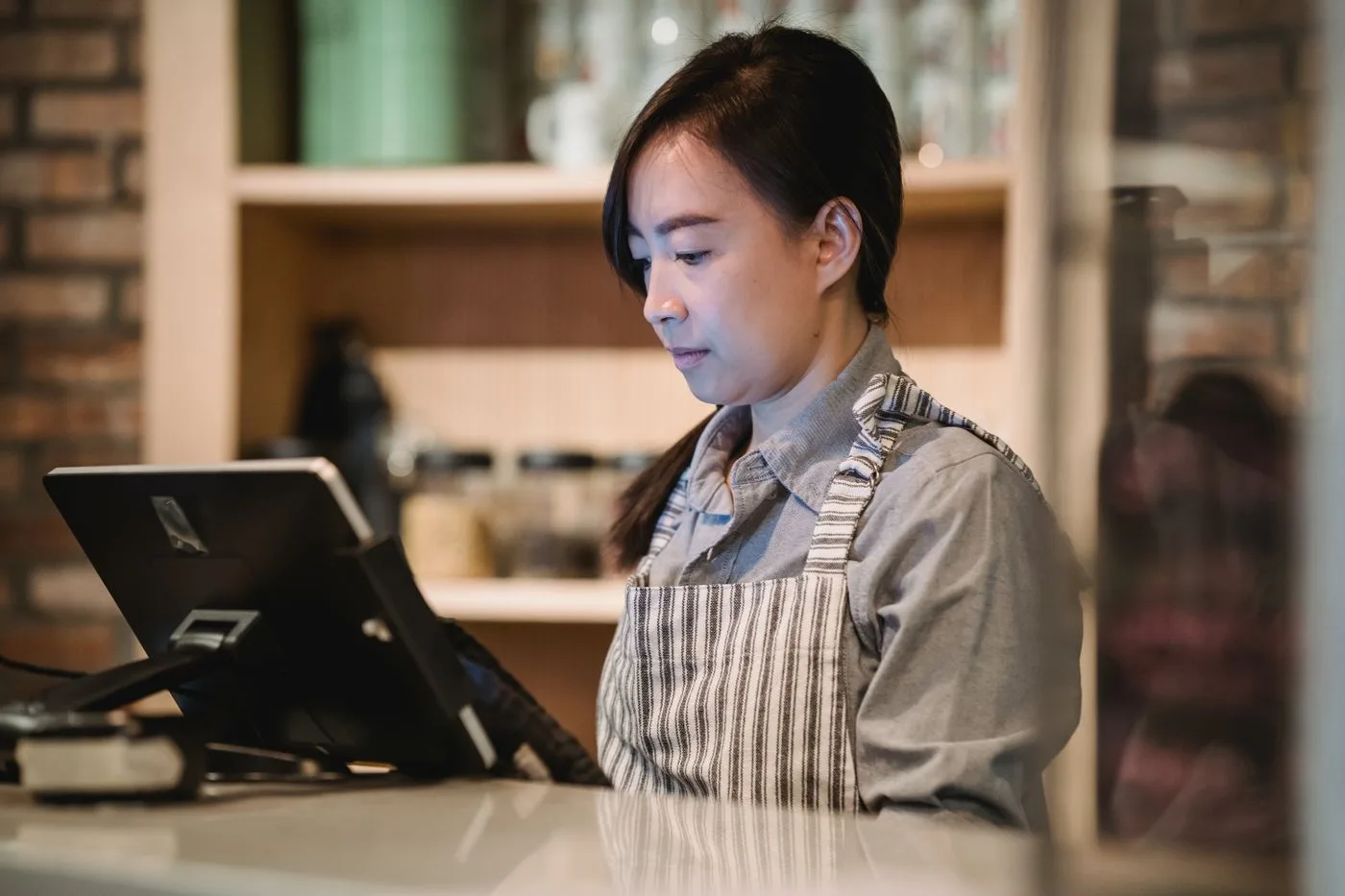
What process automation in Santa Coloma costs
This service does not work on a monthly fee. Our prices page says it plainly: process automation, custom software and the artificial intelligence work go by project, with a closed written quote before we start. And we will tell you the free part anyway, even if you never hire us.
What does have a published rate is the web and presence side: 100 € a month for the one-page landing, 200 € for the site with up to ten pages and 400, 750 and 1,500 € for the plans that add articles, the Google listing and campaigns. All plus VAT and with no lock-in.
What to look at a month later
Three numbers you can count without a dashboard: how many times a day the phone rings asking about opening hours, how many messages are still unanswered at closing time, and how long closing up takes. If all three go down, it was worth it. If they do not move, it was never a tools problem.
We are in Palamós, under an hour from Santa Coloma
The first visit is at your premises and at a busy time, because that is when the real interruptions show up rather than the ones you remember. If you want a quick read, tell us what interrupts you most and we will tell you what can go without spending anything.
Tell us what you need and we'll give you a price
We reply the same day. No commitment, no sales pitch.