

There is one number almost no small business measures that closes more sales than the website, the logo and the price put together: how long you take to reply. Not to solve it, not to visit, not to quote. To show a sign of life.
The minute it gets decided
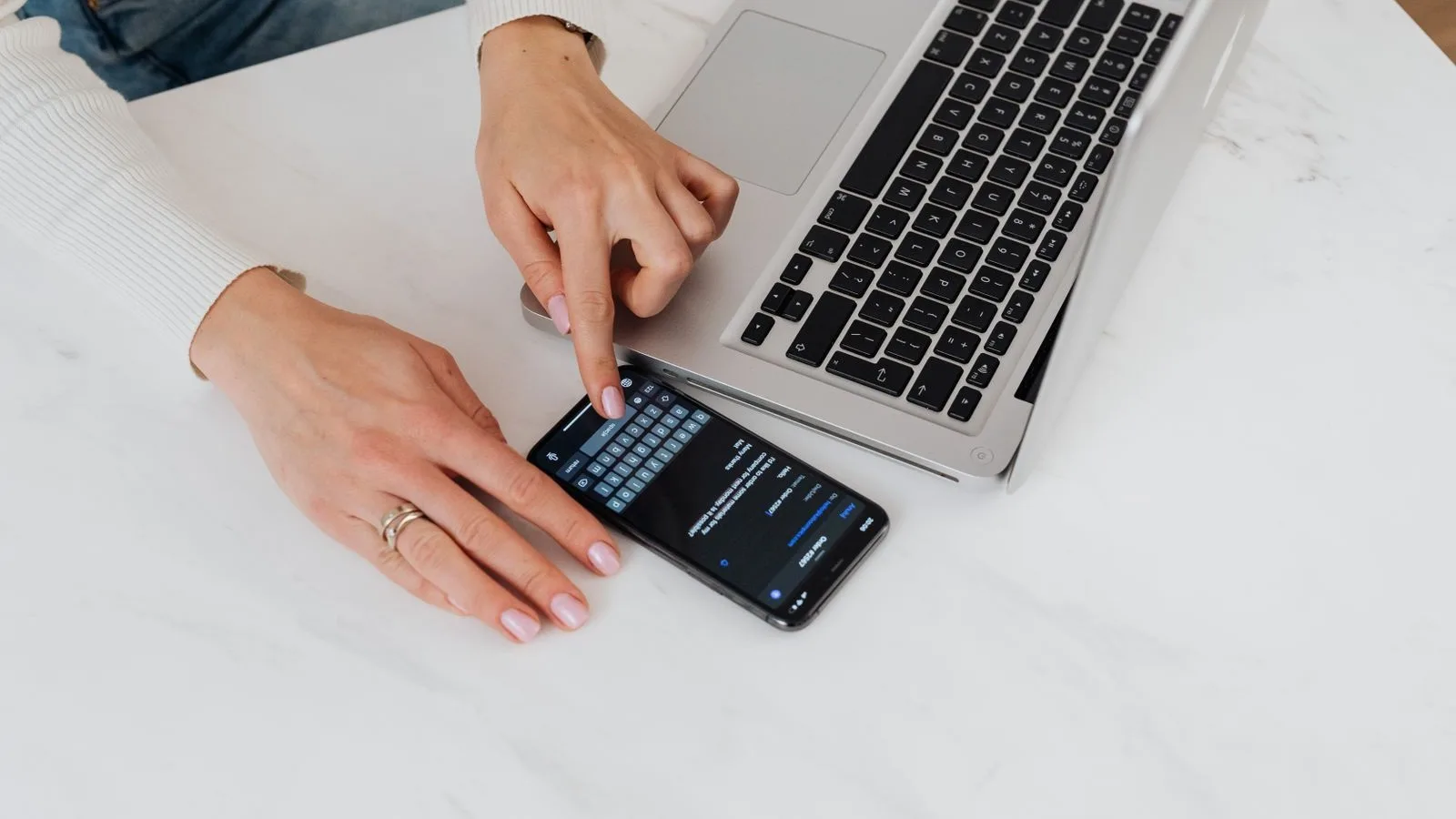
When somebody writes to you, they are not writing only to you. They opened the map, saw three listings and sent the same message to all three. From there the best one does not win: the first one to turn up with something useful does.
That is not just our hunch. A classic piece from Harvard Business Review on the short life of online sales leads already pointed out that firms replying within the first hour are far more likely to get to speak to the person than those that take longer. In a local business, with the customer holding their phone and in a hurry, that hour is generous.
Measure yours before arguing about it
Before changing anything, get the number. Take the last ten enquiries that came in by form, WhatsApp or phone and note two times: when it arrived and when you actually replied with something. No spreadsheet needed, a notebook will do.
Almost everyone gets a surprise. The average tends to be in hours rather than minutes, and there are always two or three that never got a reply at all. Those are the ones that hurt, because you had already paid for them: they cost you the advert, the website or the search work that brought them in.
For a benchmark to compare yourself against, this is ours after years of looking at it in small businesses: under fifteen minutes during working hours is very good, within the first hour is fine, the same day is the minimum you can defend and the next day means half of them are gone. And note this counts the first sign of life, not the finished quote.
Want to know what it would cost you?
We reply the same day. No commitment, no sales pitch.
Why it takes so long
There is no single inbox
Messages come in through five doors and nobody checks them all. One person sees the email, another the WhatsApp, and the social message nobody looks at until Sunday.
There is no script
Replying is hard work because every answer is written from scratch, working out the price and the terms. Because it is work, it gets postponed to a quiet moment that never comes.
There is no who
In a three-person business, replying belongs to everyone, which means nobody. Without one person responsible and a fixed time, it slips.
The three replies worth writing down
They are not cold templates: they are shortcuts so whoever answers does not have to think from scratch at nine at night.
The two-line acknowledgement
«Hi Marta, got it. I will look at it and come back to you before six». It covers almost everything, takes twenty seconds and buys time without lying. It is the one that saves the most sales.
The quick quote
For the jobs that repeat (a service, a standard repair, a routine visit), have the price or the range written down, what it includes and when you can come. It gets personalised in a minute.
The well-said no
«We do not do that, but I can put you on to someone who does». A fast no is worth more than a half-hearted yes three days later, and it is the kind of thing people remember when they are asked about you.

Out of hours, without pretending
Half the country writes at ten at night. You do not have to answer then, but you do have to say something: an away message stating when you open and when you will reply changes the wait. The free WhatsApp Business app has that built in, with quick replies and opening hours, and it costs nothing to set up.
What does not work is pretending you are awake. An automatic message promising «we are on it right now» at eleven at night, followed by nobody appearing until midday, leaves a worse taste than silence.
The template for the first reply
Four lines and that is it.
- Their name and that you understood the request. One sentence, in their words.
- Something useful right away: an indicative price, a lead time or one specific question that unblocks it.
- What happens now: who calls them, when, or what you need from them.
- A direct line: your number, not a form.
A real example with the details changed: «Hi Jordi, got your message about the blind in the dining room. A repair like that is usually between X and Y depending on the mechanism, and I have a slot on Thursday morning. Shall I come round and take a look, no obligation? Or call me on 600...». It takes a minute and answers what the other person was already thinking.
What not to do
- Replying by asking for their phone number and nothing else. Everyone does it and it sounds like a sales call is coming.
- Answering «how can I help you?» to a message where they already explained it.
- Sending a twelve-page brochure when they asked what a lock change costs.
- Leaving the message read for three days. That is worse than not being on WhatsApp at all.
We'll tell you in a ten-minute conversation
We reply the same day. No commitment, no sales pitch.
How to measure it every month
Four numbers, and none of them needs expensive software. How many enquiries came in. How many got no reply. The average time to first reply. And how many turned into work. If the second one is not zero, that is where the money is, not in the advertising.
To know where those enquiries come from, and not confuse the channel with luck, there is how to know where your customers come from.

What can be automated and what cannot
You can automate the acknowledgement, the internal alert that a new enquiry has arrived, the reminder when one has sat untouched for two days, and gathering every channel into a single list. That removes forgetfulness, which is the real cause of ninety per cent of lost enquiries. How it gets built is in process automation: where to start.
What you cannot automate is the real answer. A bot replying with generic paragraphs does more harm than silence, because the person has already spent their time reading it. And if what they want is an appointment, better than replying fast is letting them book it themselves: that is online booking.
That part goes by project, with a closed written quote, and depends on how many channels have to be gathered; on process automation we explain how we work. The published monthly prices, from 100 to 1,500 euros plus VAT, are for web and digital presence and are billed separately.
This week test
Ask somebody you do not know by sight to message you as a customer: through the website form, on WhatsApp and through the Google listing. Note how long the notification takes to reach you, if it reaches you at all, and how long you take to reply. It is half an hour of work and it usually uncovers two things: a channel that alerts nobody, and a reply that took longer than you thought.
We work from Palamós, with businesses in Girona and Barcelona
We set up the boring part: everything that comes in landing in the same place, the alert going off, and the acknowledgement going out on its own while you finish what you were doing. Tell us where people write to you and how long you take today, and we will tell you what can be fixed this week without changing anything you already use.
Tell us what you need and we'll give you a price
We reply the same day. No commitment, no sales pitch.