

To talk about process automation in Sant Cugat you have to look at one figure that changes things here: workplaces in the town hold 24.295 social security registrations in accounts with 250 employees or more, against 6.975 in those with up to nine, according to Idescat. Translated: if you run a small company here, your client is very likely much bigger than you.
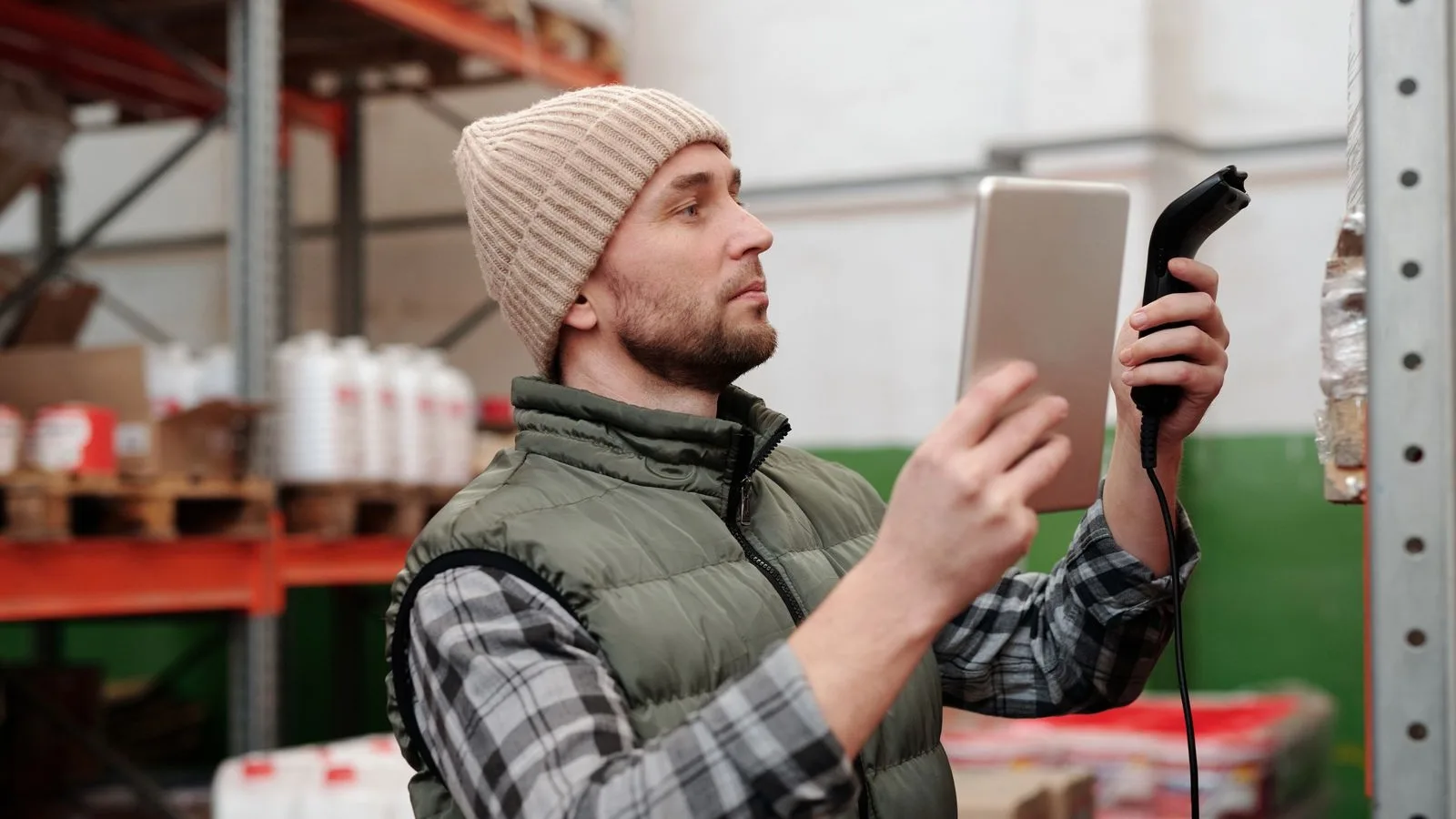
Sant Cugat, a town where your client is bigger than you
Serving a large company has a good side, which is volume, and a bad one nobody mentions: the client sets the process. You do not decide which number the order comes in under, what format the delivery note takes or when it gets paid. Your margin lies in handling that part without burning half a day every week.
Which is why automation here does not start with production. It starts with the paperwork around each delivery.
The paperwork you do not choose
- The order number. Without it the invoice comes back, and thirty days go with it.
- The signed delivery note. If it does not turn up, there was no delivery, however clearly the goods are sitting there.
- The client portal. Every one has its own, with its own login and its own odd way of uploading an invoice.
- The usual fields. Cost centre, reference, contact person, supplier code.
None of this is hard. The trouble is that it gets done by hand, late, at night, and that is how numbers go missing.
Want to know what it would cost you?
We reply the same day. No commitment, no sales pitch.
Where we start with process automation in Sant Cugat
1. One place where orders land
It does not matter whether they arrive by email, through the portal or over the phone: what matters is that they end up in one list with their order number from the start. The number goes in when the order lands, not when you invoice.
2. A delivery note that writes itself
With the order details already in, the note comes out finished, with the client reference and in the format they ask for. No more copying the same thing three times by hand.
3. The invoice, with everything the client demands
If the order number and the delivery note are linked, the invoice comes out complete. That is the difference between getting paid at sixty days and at a hundred and twenty.

The signed delivery note decides whether you get paid
The sheet with the signature of whoever received the goods is worth more than any email. Signed on a phone or tablet, it carries date, time and sometimes a photo of where it was left, and it files itself against the order. The Spanish government portal on electronic signatures sets out the types there are and when each one is valid. A lost delivery note means weeks of arguing, and the one holding the paper almost always wins.
Payment terms and the reminder you are not sending
Spanish Law 3/2004 on late payment sets the maximum terms between businesses, and the problem here is rarely the law: it is that nobody is keeping track of which invoices are overdue. An automatic reminder on the day an invoice hits its due date, with the order number and the signed note attached, changes the conversation with accounts payable without anyone losing their temper, and it usually gets paid sooner.
A typical month, with the hours counted
Forty deliveries a month. Five minutes logging each order with its reference, five more typing the delivery note into the computer, and ten whenever something does not add up and the email has to be hunted down. That is nearly thirteen hours a month, almost always the owner and almost always after closing.
With the circuit in place those same forty deliveries come down to an hour or so of checking. You do not gain working time, you gain after-work time, which is the one nobody invoices and the one you notice most.
What we do not automate
The relationship. The call when something is going to be late, the visit to the purchasing manager and the yearly price negotiation still get done by a person. We also leave the check on what leaves the workshop in human hands, because a quality mistake shipped in a hurry costs more than ten badly filled delivery notes. What gets automated is the paperwork, not the judgement.
The mistake of buying your client big software
It happens a lot around here: the large company runs an enormous system, the small supplier assumes they need the same and ends up paying for licences they use ten per cent of. What you need is to talk to that system, not copy it. When each option pays off is in when custom software pays off and, for this town specifically, in custom software in Sant Cugat.
We'll tell you in a ten-minute conversation
We reply the same day. No commitment, no sales pitch.
Three automation examples in Sant Cugat, no names
- Maintenance workshop. The client request comes in with their reference, the job sheet gets signed on the technician phone and the invoice prepares itself from the logged hours.
- Catering company. Every order arrives with a cost centre and head count; the note is signed at reception and the monthly summary goes out without anybody adding anything up.
- Small consultancy. Hours are logged by project and the monthly report the client demands comes out of the same place, without rebuilding the spreadsheet on the fifth of every month.
In all three the saving is not in the software: it is in not typing the same thing twice.
Where the client data ends up
The order, the contact, the terms and whatever was agreed have to live somewhere you can pull them out of whenever you want, not inside the client portal. How that file gets built and which fields it needs is in CRM for a small business.

What we need from you
Not much, and nothing technical. One morning to walk us through how an order comes in and what happens until it gets paid, the formats each client demands and who to chase when something jams. If that is clear, the rest is assembly. Where to start in general is in process automation: where to start.
How long it takes
The order, delivery note and invoice circuit is usually running within three to six weeks, depending on what it has to talk to. What slows things down is not the programming: it is getting the exact formats each large client demands, which sometimes takes longer to arrive than the build itself.
What process automation in Sant Cugat costs
It goes by project with a fixed written quote before anything starts, because it depends on how many circuits get touched and which systems have to be linked. What we do at each stage is on the process automation page.
Our published monthly prices (Tu Landing at 100 €, Tu Web at 200 € and the presence plans at 400, 750 and 1.500 €) cover the website, articles and the Google profile, and do not include this. If you also want local customers to find you, we cover that in digital marketing in Sant Cugat.
We work from Palamós and drive up to the Vallès
We do the first meeting in person when seeing how you work helps, and run the rest remotely. Send us one of your orders, with its delivery note and its invoice, and we will tell you which part can be taken out of the way and what it saves, no strings attached.
Tell us what you need and we'll give you a price
We reply the same day. No commitment, no sales pitch.