

Sabadell has an unusual mix: high-street retail with lifelong customers, industry and services selling to other companies, and a capital half an hour away by train. That combination changes what a website has to do. In web design in Sabadell the expensive mistake isn't picking the wrong colours: it is building a shop-window site when what you need is one that brings in quote requests.

Your site competes with Barcelona's
A customer in the Vallès looking for a supplier doesn't filter by town. They type what they need and compare whatever comes up, whether it sits in Sabadell, Terrassa or the Eixample. That reads two ways.
The bad one: you get compared with sites built on far bigger budgets. The good one: hardly any of those sites answer what people actually ask. A local site that says plainly what it does, who it works for, roughly what it costs and how to get in touch wins plenty of those comparisons without spending a fortune.
What people are paying for a website around here
Three options show up locally, and they are worth keeping apart:
- A filled-in template. Cheap and quick. It gets you online; every later change is billed and the result looks like twenty other businesses.
- A bespoke project, paid once. Own design, a thought-through structure and real copy. The weak point is usually what comes after: it gets handed over and nobody touches it again.
- A monthly fee. The site sits inside a service with hosting, email, changes and content. It works out better when the site has to keep moving.
None of the three is the expensive one. The expensive one is paying for the second and receiving the first. If they show you a design two days after you commission it, it is almost certainly a template.
Want to know what it would cost you?
We reply the same day. No commitment, no sales pitch.
Selling to companies changes the website
A good share of Sabadell and the Vallès Occidental sells to other businesses: workshops, component suppliers, distribution, technical services. There a website doesn't need to move anyone emotionally, it needs to make clear you can do what you say. What makes the difference:
- Exactly what you do and for whom. Sectors, materials, tolerances, order sizes. A technical buyer rules things out fast.
- Work you've done. Four cases with a photo and a line of context beat any adjective.
- A form that actually works for quote requests, with the fields you genuinely need to reply and without a dozen filler boxes.
- Certifications, approvals and usual lead times. If your customer will ask on the phone, put it in writing.
When the process gets complicated —quotes built one by one, orders arriving through three channels— a website falls short and what you need is custom software or automating the process. We'll tell you if that is your case.
Selling locally means the map rules
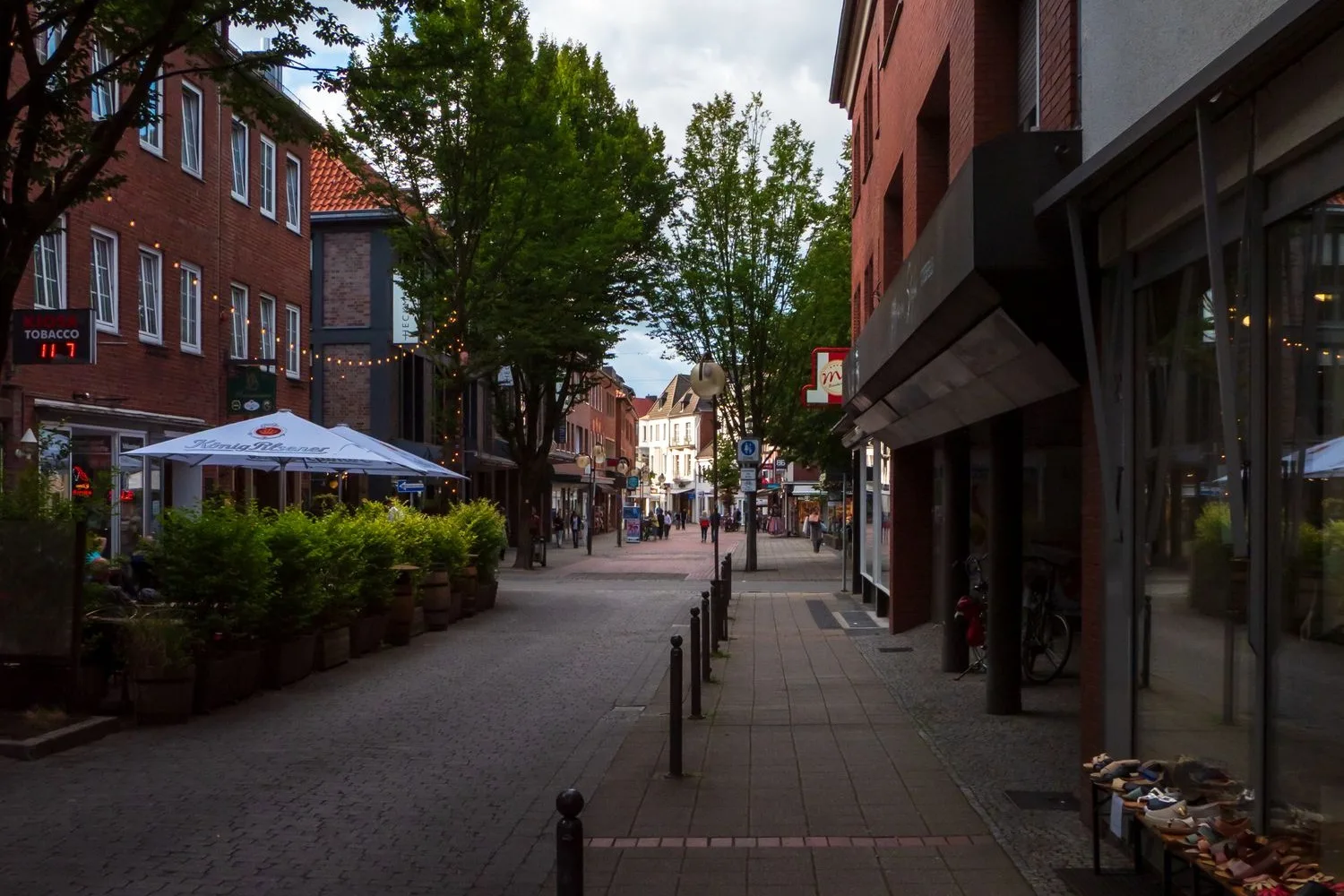
For a shop, a clinic or a garage in Sabadell, most searches end on the Google map rather than on the website. You don't get in there by having the prettiest page: you get in by having a complete listing, with the right category, recent photos, hours that match and reviews answered. Google's guidelines for representing your business are stricter about names and addresses than people assume.
In a city of more than two hundred thousand people —municipal figures are published by Idescat— the map also filters by neighbourhood. Somebody searching from Can Rull doesn't see what somebody searching from the centre sees. So it pays to get the address, the service area and the opening hours right, and to have one page per service on the site for the listing to point at.
Catalan and Spanish, without duplicating the site
People here search in both languages, and not always in the same one. The sensible approach is to have the pages that sell in Catalan and Spanish, with the language tags set properly so Google serves the right version, and not to translate everything else for the sake of it. If your customer types «reparació» and you only publish «reparación», somebody else gets that search.
We'll tell you in a ten-minute conversation
We reply the same day. No commitment, no sales pitch.
Speed isn't a technical detail
A good share of visits arrive from a phone, often on mobile data and out in the street. If the home page weighs several megabytes —photos uploaded as they came out of the camera, a background video, plugins installed to try something once— part of those people leave before seeing anything. And it shows up in no statistic: whoever gets tired and goes back never counts as a visit. Google publishes the metrics it uses to measure that loading experience, the Core Web Vitals, and they can be checked for free. Before commissioning a new site, open the one you have on mobile data and count the seconds until it is fully visible: it is the cheapest test there is.
What it costs with us
It is published on our pricing page, monthly and plus VAT:
- Tu Landing, €100 a month: one page explaining what you do and collecting enquiries, with high-performance hosting and one mailbox.
- Tu Web, €200 a month: up to ten pages, two mailboxes and one monthly article so it doesn't go stale.
- Presencia Básica, €400 a month: the site plus migration, ten mailboxes, three articles on the site and three on the Google listing, replies to every review and GEO.
There is no tie-in: it is billed monthly and thirty days' notice is enough. If you prefer to pay once, that can be arranged too; we break it down in how much a website costs.
How long it takes and what we need from you
A serious landing page takes one or two weeks. A ten-page site, three to six, and what usually holds it up isn't the design: it is the copy and the photos. What we need from you at the start is little but specific:
- A list of what you sell, ordered by what you most want to sell.
- Real photos of the workshop, the premises or the team. Stock images show, and they cost you.
- The five questions you get asked most on the phone. Half the site and the FAQ come out of those.
What happens the day after handover
A website is software: it updates, it breaks and somebody has to watch it. Hosting, backups, security updates and the small changes daily use brings are inside the monthly fee. If you buy a site outright elsewhere, always ask who handles this and what it costs per year, because an abandoned site stops bringing customers within months.
Five questions before you commission it
- Whose name is the domain in? Yours, with access included.
- Who writes the copy? If you write it, it should come off the price; if they write it, it should show they asked what you actually do.
- What does maintenance include and what is billed separately?
- How do we measure whether it works? Calls, form submissions and WhatsApp messages, not loose visits.
- What happens if I leave? The right answer is that you take the site and the access with you.
How we work with companies in the Vallès
Our office is in Palamós and we work with Sabadell, Terrassa, Badalona, Granollers, Sant Cugat and Mataró, combining remote work with visits when we need to meet. In practice the part that needs somebody in the room is the first one: understanding what you sell and to whom. The rest goes fine over video and usually moves faster.
You talk to the people doing the work, the quote is closed in writing before starting and, if what you need isn't a new website but a tidy Google listing or getting repetitive work off your plate, we say so even if it means selling less. The rest of what we do is on digital marketing.
Tell us what you need and we'll give you a price
We reply the same day. No commitment, no sales pitch.