

Process automation in Mataró almost never starts in a factory. It starts at a counter with a phone on it, a notebook beside it and a screen with the management software open in another window. The order already exists: the trouble is that it has to be written down three times before it goes out the door.
A city of small businesses that serve a lot of people
Mataró has 8,820 general-scheme social security registrations in workplaces with up to nine employees, according to the municipality in figures portal at Idescat. And hospitality alone leaves 235.7 million euros of added value a year in the city.
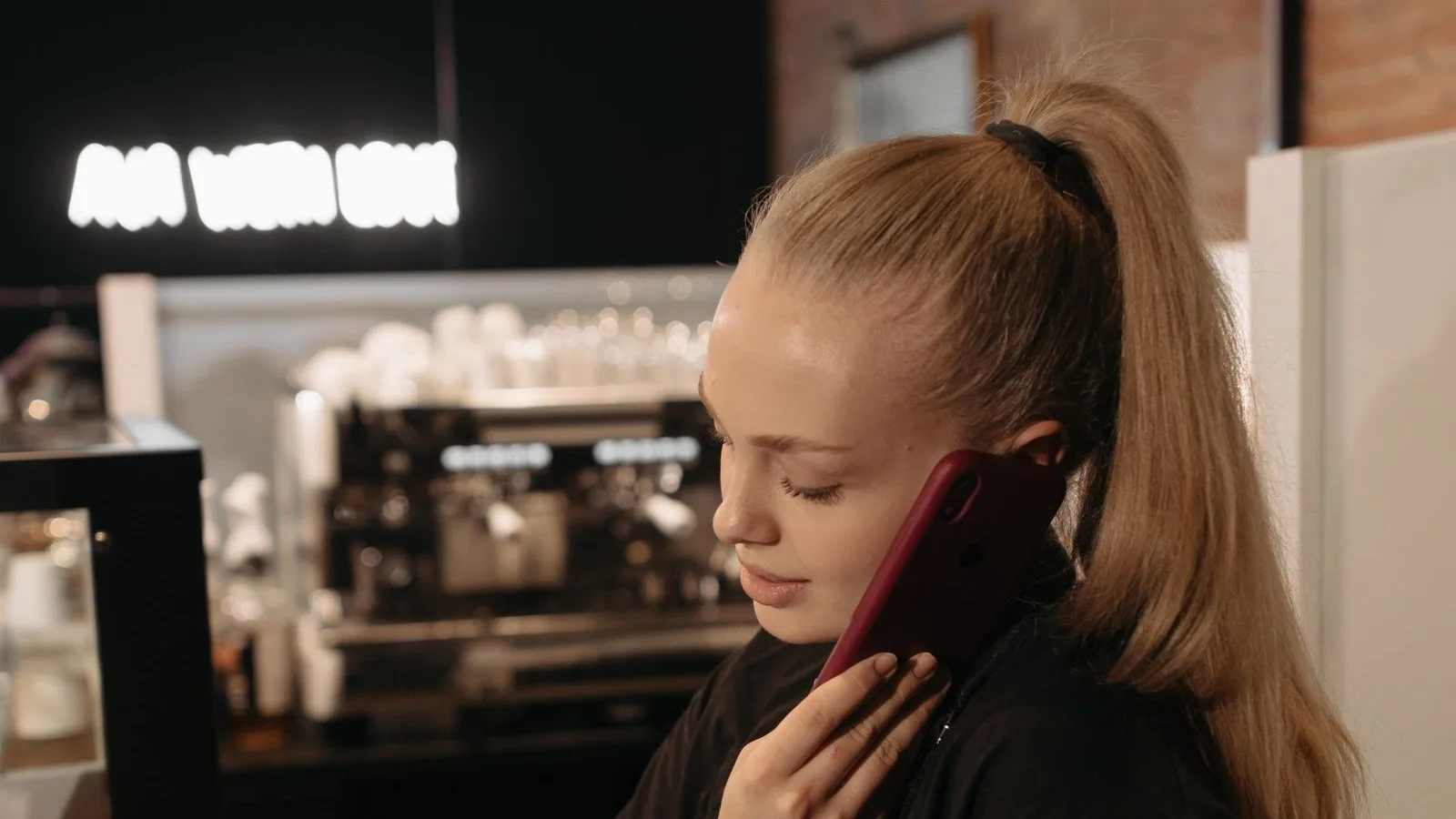
In plain terms: lots of shops, bars, workshops and service businesses where the same person answers the phone, serves whoever walks in and replies on WhatsApp. There is no shortage of work. What is missing is one place where the orders meet.
Where an order slips through
When we go over last month lost orders with a client, the same four holes always turn up.
- WhatsApp on a personal phone. One person has it. If they are off, the order is off with them.
- The inbox only one person checks. It arrives at nine at night and gets seen on Thursday.
- The Instagram message. Nobody treats it as an order until the customer calls, annoyed.
- The slip on the counter. It exists, but it is under the card reader.
None of the four is anyone fault. It is five channels for one head, and that head also has to serve the person standing right there.
Want to know what it would cost you?
We reply the same day. No commitment, no sales pitch.
An ordinary Thursday
A real case with the numbers rounded, from a shop around here that sells product and also repairs it. On one Thursday thirty-one requests come in: fourteen by WhatsApp, six by phone, five through the website form, four over the counter and two by Instagram. Of the thirty-one, twenty-six end up typed again into the management software, almost always in the afternoon and from memory.
We added up with them the time spent on that second typing and on the «how is mine doing?» calls: a little over nine hours a month. It was not the work they had too much of, it was the transcription. Today the order comes in wherever the customer likes and gets written once; the follow-up calls have dropped because the notice goes out by itself.
The rule: one inbox, not five
Automating this is not putting a robot in charge of replying. It is making everything that comes in land in the same place, in the same minimum format: who, what, when and where it came from. That place can be a simple screen, a shared list or the software you already use; what it cannot be is somebody memory.
The first step is free and it is not ours: move the business WhatsApp to the WhatsApp Business app, with its catalogue, quick replies and labels. That alone lets many businesses here breathe. Our part starts when that is no longer enough and what comes in has to be connected to what gets invoiced.
What we automate first
The intake
The order lands in the list on its own, wherever it came from. A form, a message or a call logged in two taps, always with the same fields. The rule is stubborn: the data gets written once.
The confirmation
The message that says «got it, it goes out on Thursday». Nobody needs to write it by hand, and it removes more «how is mine doing?» calls than anything else.

The notice to whoever prepares it
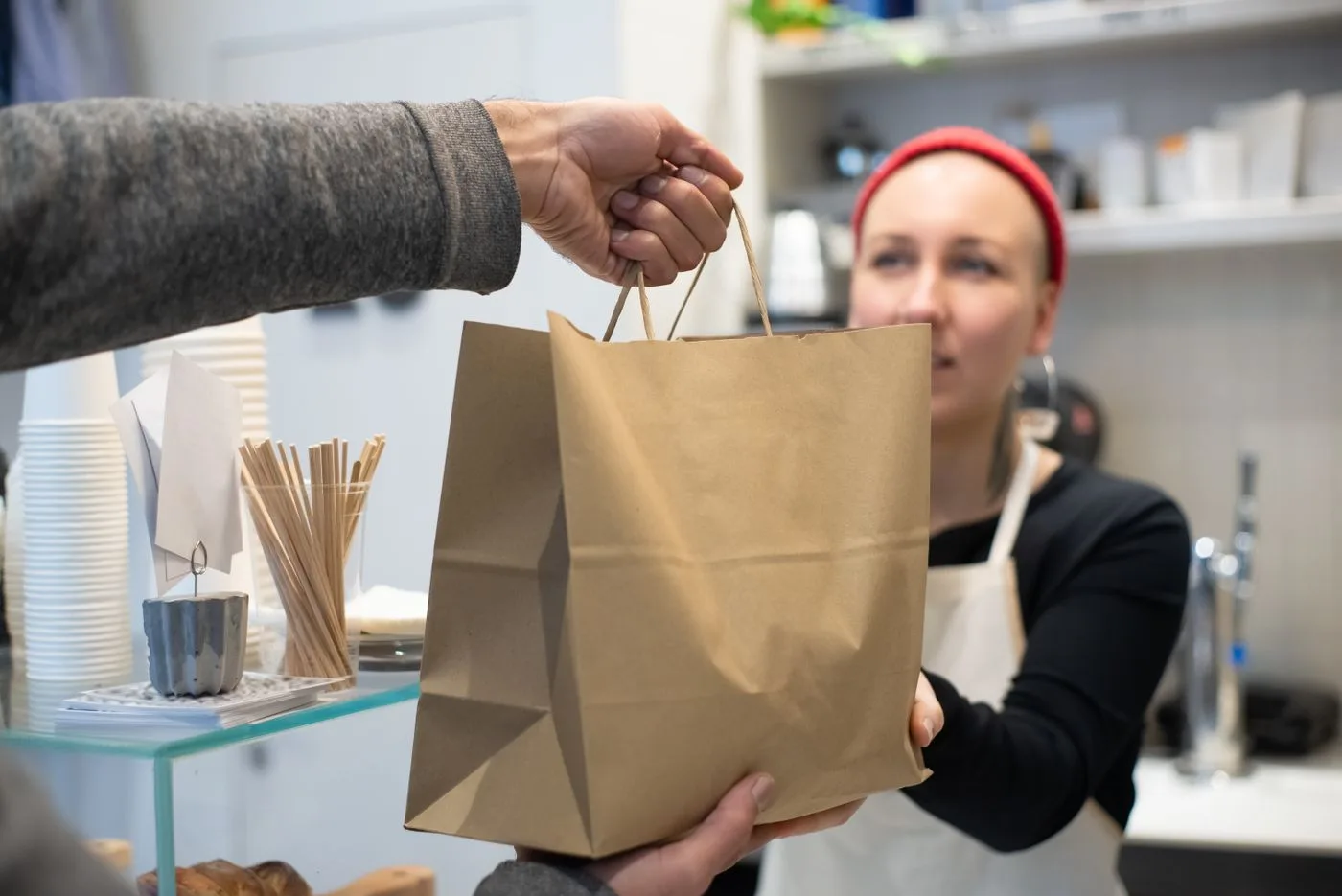
The kitchen, the workshop or the storeroom find out without anyone walking across the place with a slip of paper. And when it is ready, the customer gets the message that they can come and collect it.
The alert on whatever is running late
An order sitting untouched for two days flags itself before the customer notices. It is the cheapest piece to build and the one that prevents the most trouble, because in a local business the problem is rarely the delay: it is hearing about it from the customer.
What we do not automate in a business built on service
The conversation. In a neighbourhood business half the value is that the customer talks to someone who knows them, and that is not replaced with chains of automatic replies. What we take away is the mechanical part: copying details, announcing what is already known, hunting for the status of something. An odd order, a complaint or a last-minute request still go to a person, and so they should.
Nor do we automate a process that is not settled yet. If every order is taken a different way, first you agree how it is taken and then it gets built.
We'll tell you in a ten-minute conversation
We reply the same day. No commitment, no sales pitch.
Your customers data cannot live on a personal phone
It is the awkward consequence of running orders through somebody phone: names, numbers, addresses and sometimes payment details end up there. INCIBE, the Spanish cybersecurity institute, publishes guidance on mobile devices at work and sums it up better than we can. In practice three decisions are enough: the number belongs to the business and not to a person, the history lives in a system the company can get into, and when someone leaves they do not leave with the contact list.
What process automation in Mataró costs
It goes by project, with a closed written quote, and it depends on how many channels have to be gathered and what software they talk to. You start with one, usually WhatsApp because that is where most of it comes in, and extend when that one works. On process automation we explain how we work, and the published monthly prices, from 100 to 1,500 euros plus VAT, are for web and digital presence and are billed separately.
If on top of that the stock does not add up between the shop and the website, that is no longer a matter of connections: it is custom software, and we cover it here. And if what comes in through those five doors is appointments rather than orders, the route is different and it is in online booking for your business.
A note on grants: process management is one of the categories in the Kit Digital catalogue. If the call opens again, part of this can be paid with the voucher.
What to look at the following month
Three homemade numbers. How many orders were lost or served late: that should drop to zero quickly. How long it takes from an order coming in to the confirmation going out. And how many times somebody asked «is this done?», which is the internal noise that eats the most time. If all three look the same the following month, the build is wrong and it gets fixed.
And a check that costs nothing and can be done this week: take a Thursday, write down every request that comes in and which door it came through, and at closing time count how many you had to type twice. That number is the budget you are already spending, only in somebody hours. With that list in hand, choosing which channel to connect first stops being a hunch.
We work from Palamós, with businesses in the Maresme
We are in Palamós, a little under an hour from Mataró along the coast. The first visit is at your business and during working hours, because the five channels only make sense when they are all going off at once; the build and the maintenance run remotely and support answers the same day. Tell us where your orders come in and we will tell you which one we would connect first and what it would cost, with no commitment.
Tell us what you need and we'll give you a price
We reply the same day. No commitment, no sales pitch.