

Process automation in L'Hospitalet is almost never requested by a department. It is requested by someone who serves customers, takes payment, orders from suppliers and then, once closed, sits down to write up the day.

L'Hospitalet: a lot of small businesses in very little space
The town has 5,884 employer contribution accounts — the boring way of saying workplaces with registered staff — and 94,995 general-scheme registrations are in services. The figures come from the Idescat municipal profile.
One more number explains the town better than any other: 101,811 households, of which 24,351 are single-person. Your customer does not live half an hour away by car; they live two doors down. And hospitality produces 362.8 million euros of added value a year, with 28 hotels and 4,802 beds around the exhibition centre.
Translated: high-street shops, bars, clinics, hairdressers, neighbourhood workshops, accountants, installers. Small businesses where the person serving is the person invoicing. We wrote about selling around here in digital marketing in L'Hospitalet; this one is about what happens after closing.
The problem is not an employee's hours: it is the owner's evenings
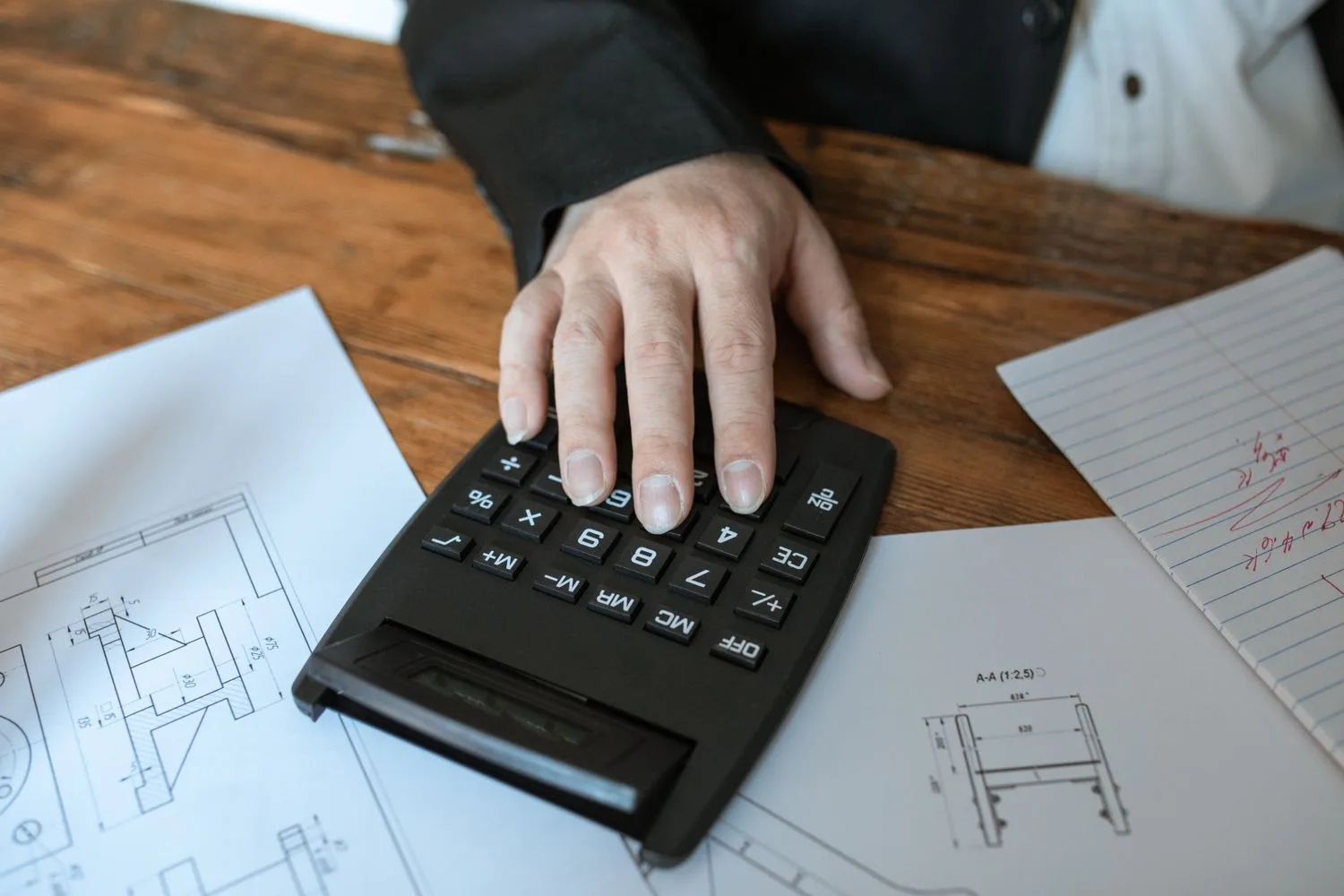
In a company with an admin department the sum is simple: hours times cost. Here that sum does not work, because nobody is employed to do it. The owner does it at ten at night, for free, which is exactly why it never shows up anywhere.
The right question is not «how much do I save». It is what do I stop doing at ten. And there is a second cost that stays invisible: what never gets done. The quote that goes out two days late because there was no gap. The customer who asked on Instagram on Saturday and got an answer on Tuesday.
One example of the kind we see here every month: a three-chair hairdresser with the diary in a notebook. Every morning someone rings to move an appointment, and whoever picks up is halfway through a haircut. In the evening the notebook has to be squared against the day's takings and tomorrow's reminders sent over WhatsApp, one by one. Nobody has ever counted those two hours, but they are there, and somebody pays for them in sleep.
The four tasks that repeat most in a business here
Answering the same thing twenty times
Opening hours, whether there is parking, whether you take walk-ins, whether you issue invoices, whether an item is in stock. Automating this is not putting a robot in charge of the conversation: it is making sure the answer is written where people ask, and that the welcome message gives it without anyone typing.
Confirming and reminding about appointments
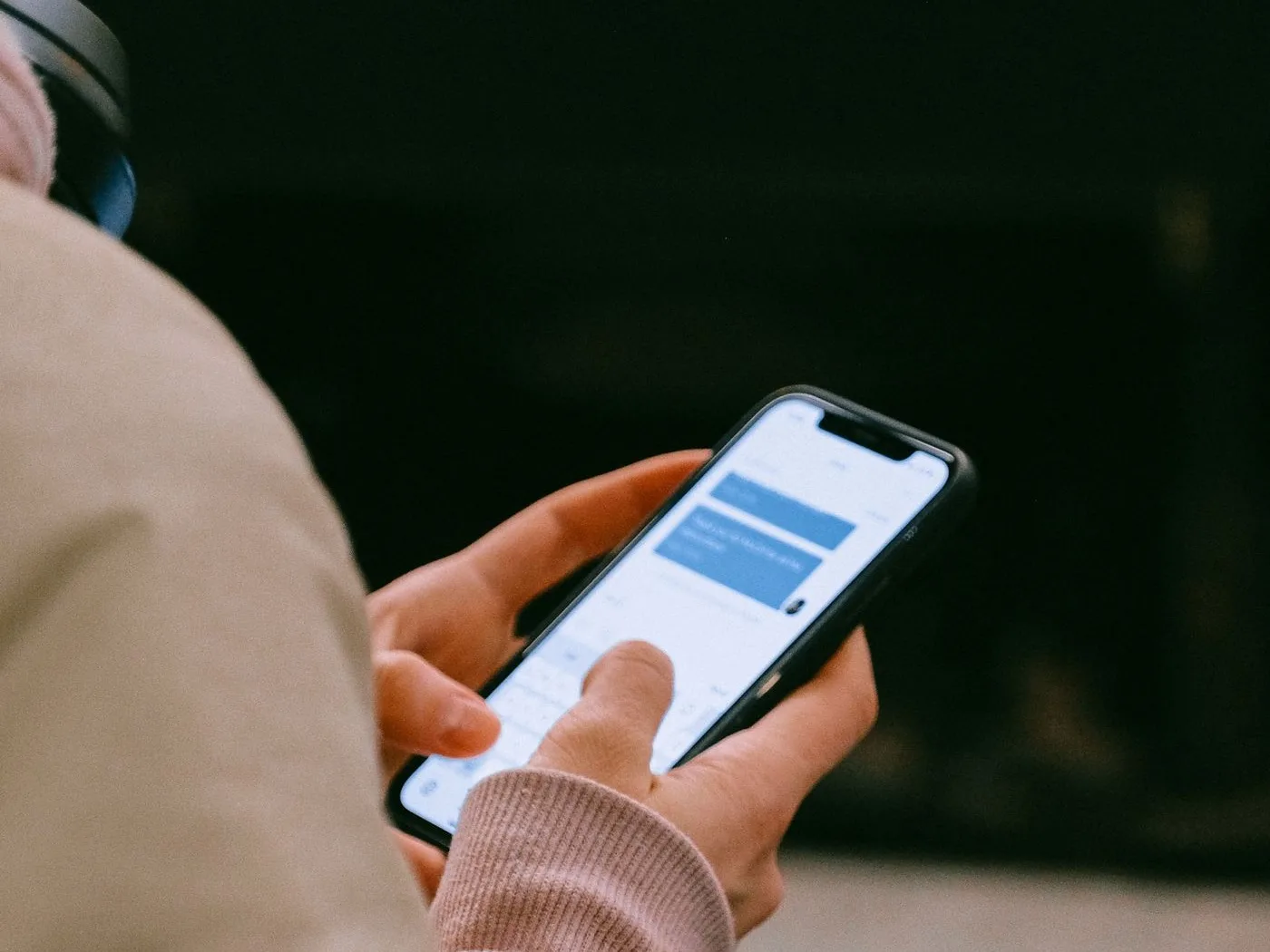
No-shows are half the town's invisible cost. An automatic reminder the day before, with a one-tap way to move the slot, removes most of them. We cover the booking system itself in online booking for your business; what matters here is that the reminder goes out on its own.
Writing up the day
The receipt, the till sheet, the order notebook. What gets automated is that whatever you already wrote once does not get written again: the sale, the payment and the order are recorded the moment they happen.
Chasing payment
The invoice that goes out late and the reminder nobody sends. On top of that, business-to-business invoicing is heading towards being electronic by law, under Spain's Law 18/2022, «Crea y Crece», pending the regulation that will set the timetable. A good moment to stop sending them by hand.
Want to know what it would cost you?
We reply the same day. No commitment, no sales pitch.
Where we start automating processes in L'Hospitalet
- With the task that interrupts you most often, not the longest one. Ten two-minute interruptions do more damage than one solid hour.
- Keep the information in one place. If your opening hours live in three places, two of them are wrong.
- Let the message go out by itself. Reminders, confirmations, «your order is ready».
- Let the summary write itself. The day, the week, what is still unpaid.
Only the first one is hard to decide, and you decide it by counting rather than debating: one week noting how many times you get asked each thing.
What we do not automate in a customer-facing business
- The first reply to someone who is angry. An automatic message makes that worse.
- The quote that needs a site visit. You can automate the notification, not the visit.
- Anything that changes weekly. If the process is still being invented, automating it freezes it.
- Messaging people who never asked for it. Customer data belongs to them; the Spanish Data Protection Agency sets out the duties of whoever handles it.
The full filter, with the questions we use to rule things out, is in process automation: where to start.
How we build the process automation without closing for a single day
A shop cannot stop for two weeks to «roll out» anything. What we do is build the new part outside opening hours and switch it on in pieces: first the notifications, which affect nobody; then the part that records; last the part that replaces the notebook.
And one rule we never break: the do-it-by-hand button never goes away. The day the internet drops in the middle of the rush, the business stays open.
The real test happens at a quiet hour, with whoever serves customers in front of it and us not touching anything. If that person gets stuck on step two, the problem is the design rather than them, and it gets fixed on the spot. Those twenty minutes save the month of arguments that follows when they are skipped.
What we need from you
- One week of real messages, exactly as they arrive, typos and voice notes included. It is the best picture of what repeats.
- Access to the management system, the till or whatever calendar you already use.
- Half an hour from whoever serves customers. If it does not make sense to them, it will not get used.
- One person who can decide. They do not need to be technical; they need to be able to say «this is how we do it».
What process automation in L'Hospitalet costs
This service is priced per project, not per monthly fee: it depends on what has to be built and it is agreed in writing before starting. That is how it appears on our pricing page, next to the rest of the process automation catalogue.
What does have a published rate is the web and presence side, in case it is a useful reference: from 100 € a month for the landing page and 200 € for the website, with presence plans at 400, 750 and 1,500 € a month. All excluding VAT and with no lock-in.
To work out whether it pays off, here we do not count employee hours. We count evenings: how many you spend after closing, and how many of those would disappear with this in place.
What to look at a month later
- How often you get asked the same thing. If it does not drop, the answer is not where people look.
- No-shows in the diary.
- Days between delivering and getting paid.
- How often you went back to doing it by hand. The best indicator of all: if you go back, something is in the way.
We work from Palamós and come down to the metropolitan area
We are based in Palamós and work with businesses in L'Hospitalet and across the Barcelona area. The first visit is worth doing on site and at a quiet hour, because some things only show up while customers are walking in; the rest runs fine remotely.
If you want to start small, send us over WhatsApp the five questions your customers ask you most. That is enough to say what we would take off your plate first and how long it would take.
Tell us what you need and we'll give you a price
We reply the same day. No commitment, no sales pitch.