

Terrassa is a city of more than 230,000 people with three economies sharing the same map: industry and technical services, retail and hospitality in the centre, and professional services. When it comes to web design in Terrassa, the expensive mistake isn't the design: it's copying the neighbour's website when the person who buys from you looks nothing like the person who buys from them.

Before choosing a template, decide who buys
It sounds obvious and almost nobody does it. The first question isn't how many pages or what colour, it's who makes the decision on the other side and what they need in order to say yes. In practice there are three very different profiles around here.
If a technical buyer buys from you
Purchasing managers, maintenance heads, production leads. They arrive with a specific need and rule things out fast. What they look for: exactly what you do, for which sectors, with what materials or tolerances, lead times, and whether you hold certifications. Emotional copy wastes their time. A service page with real detail, and a form that lets them request a quote with the fields you actually need to answer, closes more.
If they buy with a phone in their hand
Retail, garages, clinics, restaurants. The decision happens on the street in under a minute: opening hours, whether you're open now, where to park, roughly what it costs, and a button to call or message on WhatsApp. Here the website and the Google business profile work as a pair, and if either is half-finished it shows in the phone calls.
If they buy on trust
Accountants, architects, lawyers, consultancies. Nobody hires on a published price, they hire because they get the feeling you know your subject. Real cases explained without ornament work here, along with who's behind the company, name and face included, and content that answers the questions people have beforehand. This is the profile where having your own articles shows most.
Want to know what it would cost you?
We reply the same day. No commitment, no sales pitch.
The website that stalls halfway
It's the pattern we see most in the Vallès: a site that was built properly, published, and untouched ever since. The services you offer now aren't on it, the prices are three years old, and there's a news section whose last entry is from 2023.
The problem isn't aesthetic. A stalled site ages in two directions: it loses rankings because the content stops matching what people search for, and it loses credibility because visitors can tell nobody is on the other side. That's why we don't sell throwaway websites: the site sits inside a monthly service covering hosting, email, maintenance and changes, so it stops being a project that ends.
Which pages to build first
Hardly any company needs thirty pages on day one. The order that works:
- One page per service, using the name your customer uses rather than the internal one. These are the pages that answer searches.
- The contact page, with phone, WhatsApp, address and a short form.
- Who you are, with real photos of the team and the workshop. No stock library.
- Work you've done, even if it's only four cases, each with a line of context.
- Prices, if you dare. Publishing them filters enquiries and saves calls that were going nowhere.
What can wait: the corporate blog full of generic posts, the company history page, and any section that doesn't answer a real question. If content is needed later to rank, it's done deliberately with articles built around what people search for.

What actually delays the project
When a website runs late, it's almost never the design. It's two things: the copy and the photos.
The copy because nobody in the company has a spare hour to write it, and the photos because the ones available came off a phone five years ago. It's solved by deciding before starting: either we write them after a conversation with you, or you write them following an outline we send and that part comes off the quote. As for photos, half a morning of someone taking decent shots of the workshop, the team and the work beats any template.
If you want figures on the city's business base before deciding who you're addressing, the Idescat municipal profile is free, and the Terrassa Chamber of Commerce publishes activity and programmes for local companies.
The website and the Google profile pull together
In a city like Terrassa, a good share of the searches that end in a phone call don't start on your website: they start on the map. Somebody types the service and the city, looks at the top three profiles, opens the one with recent photos and answered reviews, and jumps from there to the website to confirm you exist and do what it says.
When those two pieces tell the same story, the journey closes itself. When they don't — the profile lists one set of opening hours and the site another, the phone number doesn't match, the address predates the move — the visitor hesitates and moves to the next result. It's a cheap fix and one of the fastest to show: line up name, address and phone everywhere, upload real photos and answer the reviews, bad ones included.
So when someone asks us for a website and nothing else, the first thing we look at is their profile. Sometimes the problem wasn't the website.
What it costs and what's included
Our prices are published and there's no small print. A one-page landing costs €100 a month and a site of up to ten pages €200 a month, both with high-performance hosting, email on your domain and maintenance included. The €200 plan also comes with one article a month so the site doesn't stall. Prices exclude VAT and there's no lock-in; you can see them on our pricing page.
If you also want to be found, that's SEO and it sits in the monthly plans, which start at €400 and include articles on the site, articles on your Google profile, replies to every review and the work to appear in AI answers.
One warning we always give: a €600 one-off website and a €6,000 one aren't the same thing at a different margin. What changes is who writes it, how much thought goes into the structure and what happens after delivery. Always ask about all three.
How to tell whether it's working
Visit counts are the number people look at most and the one that says least. What's worth counting is different:
- Calls and WhatsApp messages arriving from the website and the profile.
- Forms completed, and which pages they came from.
- Which searches bring people in, visible free of charge in Search Console.
- How many of those enquiries turn into quotes, the only number that pays invoices.
With those four figures in hand, deciding what to change next month stops being a matter of opinion. If you run a high-street shop, Catalonia's retail and crafts consortium publishes grants and digitalisation programmes worth checking before spending on your own.
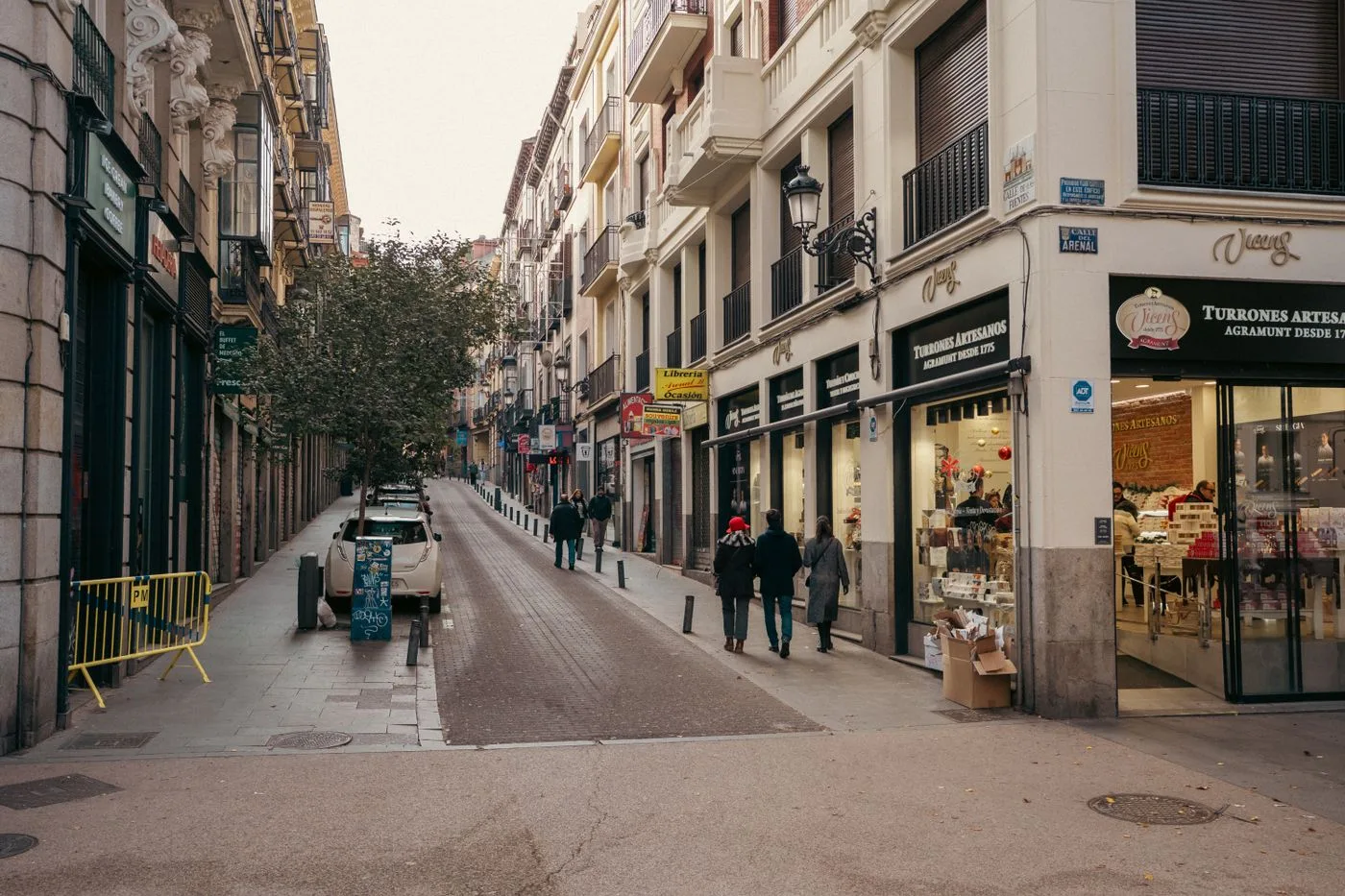
How we work with companies in Terrassa
Our office is in Palamós and we work with Terrassa, Sabadell, Rubí, Sant Cugat, Barcelona and the rest of the metropolitan area, combining remote work with visits when they're needed. The part that calls for being there is the first one: understanding what you sell, to whom and how they decide. The rest goes fine over video and usually moves faster.
You talk to the person doing the work, the budget is agreed in writing before anything starts and, if what you need isn't a new website but a tidy-up of what you already have, we'll say so even if it means billing less. The rest of the services are on digital marketing.
Tell us what you need and we'll give you a price
We reply the same day. No commitment, no sales pitch.