

Testimonials on your website are one of the cheapest things you can put up and one of the most convincing, and still almost nobody makes the most of them. They're not about filling a gap with three nice phrases: they're about showing, with a name and a face, that people like the one looking at you right now already bought from you and were happy. That proof takes away the fear of taking the step, which is the last thing that stops a sale.
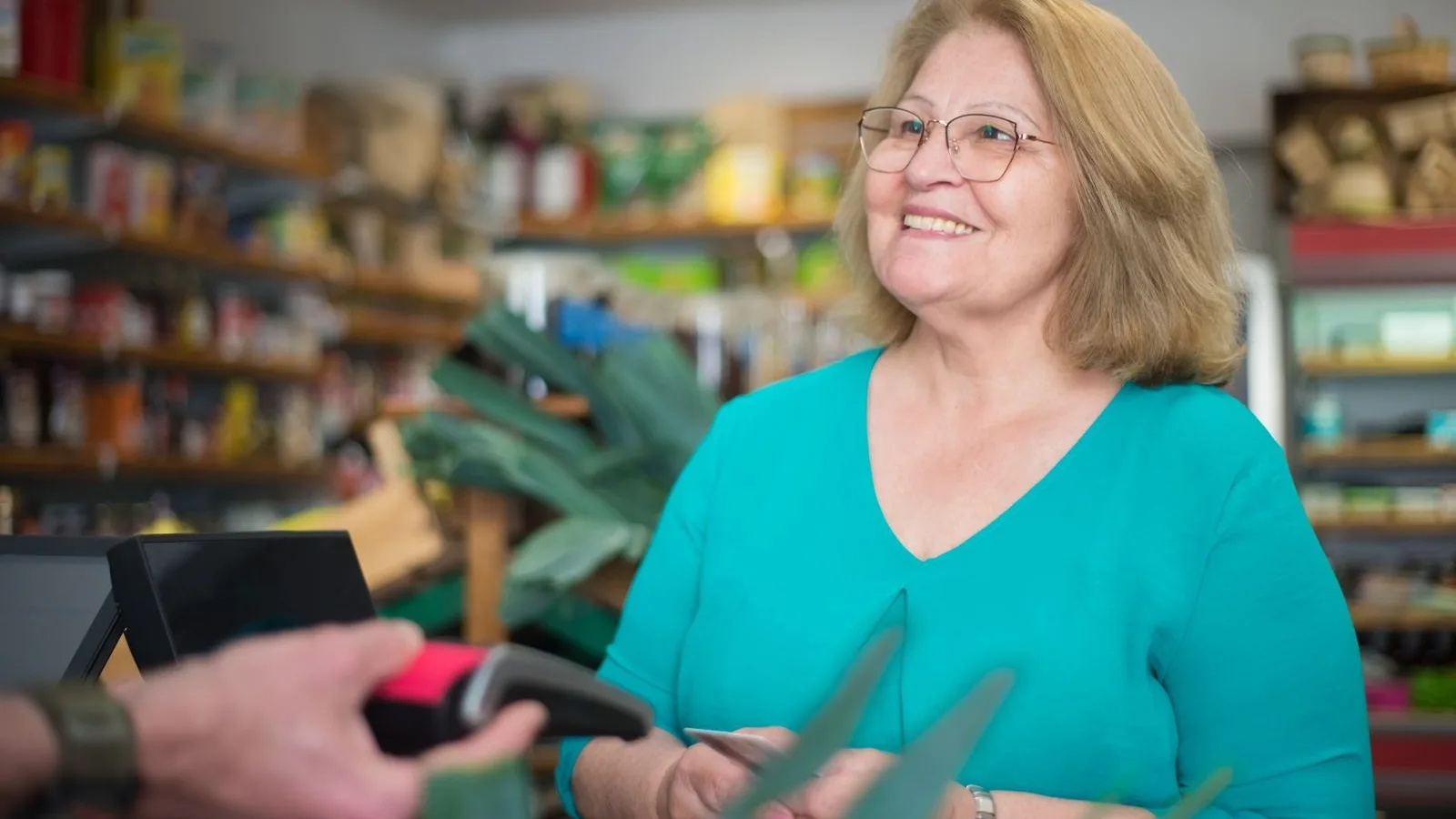
What testimonials on your website are and why they sell
A testimonial is a real person saying you solved a problem for them. It works because we trust what another customer says more than what you say about yourself; it's what in design is called social proof, and it weighs a huge amount at the moment of deciding. Together with the «About us» page and the services page, testimonials are part of what turns a visitor into a customer: the other pages tell who you are and what you do, and the testimonials confirm it in the voice of someone who isn't you.
Think of it as a customer: when you're torn between two businesses you don't know, which one do you write to? Almost always the one you can see has already worked with people like you and says so. A good testimonial does that job on its own, at night and without you being there, right when the person is about to go and look elsewhere.
The mistake: generic testimonials nobody believes
The typical slip is putting up three filler phrases: «Very professional», «100% recommended», signed by «A customer». That doesn't build trust, it takes it away: it sounds made up, and whoever reads it thinks you wrote it yourself. A testimonial with no name, no face and no concrete result is decoration, and decoration that raises suspicion at that.
People spot straight away what's real and what isn't. Stanford University has been studying it for years: showing that there are real people behind it is one of the things that raises a website's credibility most. A weak testimonial isn't neutral, it takes away.
An example to see it clearly. «Excellent service, will repeat» says nothing: anyone could sign it about anything. On the other hand «They changed our website and in two months we doubled the bookings, Marta, Hotel Mar» does convince, because there's a person, a place and a number. The difference isn't writing more, it's being concrete.
Want to know what it would cost you?
We reply the same day. No commitment, no sales pitch.
What a testimonial that convinces has

It doesn't take much, it takes being believable. A good testimonial almost always has these things:
A real name and face
First and last name, and if possible a photo or their company logo. «Maria, from the Florist in the Centre» convinces a thousand times more than «A satisfied customer». If it's a company, the role and the sector. The more concrete, the more whoever reads it believes it.
The problem they had and the result
What moves people isn't «they're very good», it's «my website was stuck and in three weeks I started getting orders». The before and after, with a concrete result, is what makes someone else see themselves in it. Ask them to say what problem they had and what changed, not a generic compliment.
In their own words and asked while it's hot
The best moment to ask is right when the customer is happy, just after the job, not six months later. And leave it in their words, even if it isn't perfect: a testimonial that sounds like a normal person convinces more than a polished one that sounds like an agency. To guide them without putting the words in their mouth, how to write your website copy helps.
Where to put them: not on a dead page

The most common mistake after getting them is piling them all onto a «Testimonials» page nobody visits. What works is putting them where the decision is made: the testimonial about a renovation, next to the renovation service; the one about an online shop, next to the buy button; one or two good ones on the home page. That way they appear right when the doubt hits the person, not once they've left. Where each one fits is clearer if you look at how your services page is built.
And if you have one on video, even filmed on a phone, better still: a person talking to camera for thirty seconds conveys more truth than any text. It doesn't take production, it takes seeing their face and understanding them.
Testimonials on your website and Google reviews: double trust
The testimonials on your website you choose and place yourself, which is why they convince but are also looked at with a raised eyebrow. Google reviews are the other half: you don't control them, so they count as independent proof. The powerful thing is to have both, and to reply well even to the bad ones, because that shows there's someone behind it who listens.
And there's one more reason to look after it: Google and artificial intelligence read those signals too. When someone asks AI for a trustworthy business like yours, it recommends the one with clear proof that it delivers. It's, in the end, what Google asks for with its helpful content: show real experience, don't promise it. That's what getting AI to recommend you is about, and honest social proof is one of the things that works best.
We'll tell you in a ten-minute conversation
We reply the same day. No commitment, no sales pitch.
How we do it
When we build a client's website, we don't leave the testimonials for the end or make them up: we help them ask for them properly, while it's hot, and place them where people actually decide. Few and good, with a name and a result, spread across the site instead of buried on a separate page. Sometimes a short email or a small form after the purchase is enough; the key is not to leave it to chance. And we leave it set up so they can keep adding more without fighting anything.
On pricing it's clear: Tu Landing is 100 € a month and Tu Web is 200 € a month (up to ten pages and one article a month), both with domain, hosting, email and maintenance included and the domain in your name, plus VAT and with no lock-in. Putting up and keeping the testimonials is included, it's not an extra, and it's usually one of the changes that shows up soonest in sales.
Where to start
Today: think of the three happiest customers you've had this year and write to them. Ask them for two lines about what problem they had and how it went, with their name. With that you've already got the start of a proof worth more than anything you could say about yourself. And once you have them, don't leave them in a drawer or on a lost page: testimonials on your website only work when they're placed where people hesitate.
If you'd like us to help you get them and place them so they sell, write to us through the contact form or on WhatsApp. We'll give you a specific opinion, no speeches and no obligation.